Let's start with the anxiety part
You're thinking about bringing a lemon vibrator into your intimate life with your partner, and you're nervous. Maybe you're worried they'll feel insulted. Maybe you're scared they'll think you're bored. Maybe you're just embarrassed to say the words out loud. That nervousness is so normal that I'd be more surprised if you weren't feeling it.
Here's what I've learned from years of working with couples: the anxiety you're carrying right now is almost always bigger than the actual conversation will be. Not because your feelings aren't valid, but because you're imagining rejection that rarely comes. Most partners are relieved when you bring this up. Relief, not resentment.
Why you're actually anxious
It's rarely about the toy itself. You're anxious because introducing a clitoral vibrator feels like opening a door to questions you haven't been asked out loud. "Do you not enjoy what we do?" "Am I not enough?" "Are you more into toys than into me?" Those questions are scary to potentially hear, so you don't start the conversation at all.
But here's the truth: a lemon vibrator isn't a replacement for your partner. It's an addition. It works alongside them, not instead of them. The lem vibrator, for example, is designed to provide intense clitoral stimulation that hands alone often can't replicate. That's not a statement about your partner's worth. That's just anatomy.
One more thing: if you're nervous about this, your partner probably doesn't know that you're interested in using a toy at all. So from their perspective, this isn't coming out of nowhere. It's coming from you, which makes it about your pleasure and your curiosity, not about what they're lacking.
How to actually start the conversation
Don't do it during sex. Don't do it right before sex. Don't do it when either of you is tired, stressed, or distracted. Do it when you're both calm, clothed, and have time to actually talk without pressure.
You might say something like: "I've been thinking about trying something new together, and I want to talk about it first because your comfort matters to me. I'm interested in using a clitoral vibrator during sex, and I'd love to know what you think." That's honest, direct, and it shows you're not sneaking anything in.
Then stop talking. Let them respond. They might ask questions. They might need time to think about it. They might be excited. Whatever happens, you've opened the door.
If they seem hesitant, ask what they're worried about. Often the worry is something simple. "I don't know how to use it." "Will it feel weird?" "I'm worried I'll do it wrong." None of those are dealbreakers. They're just things to solve together.
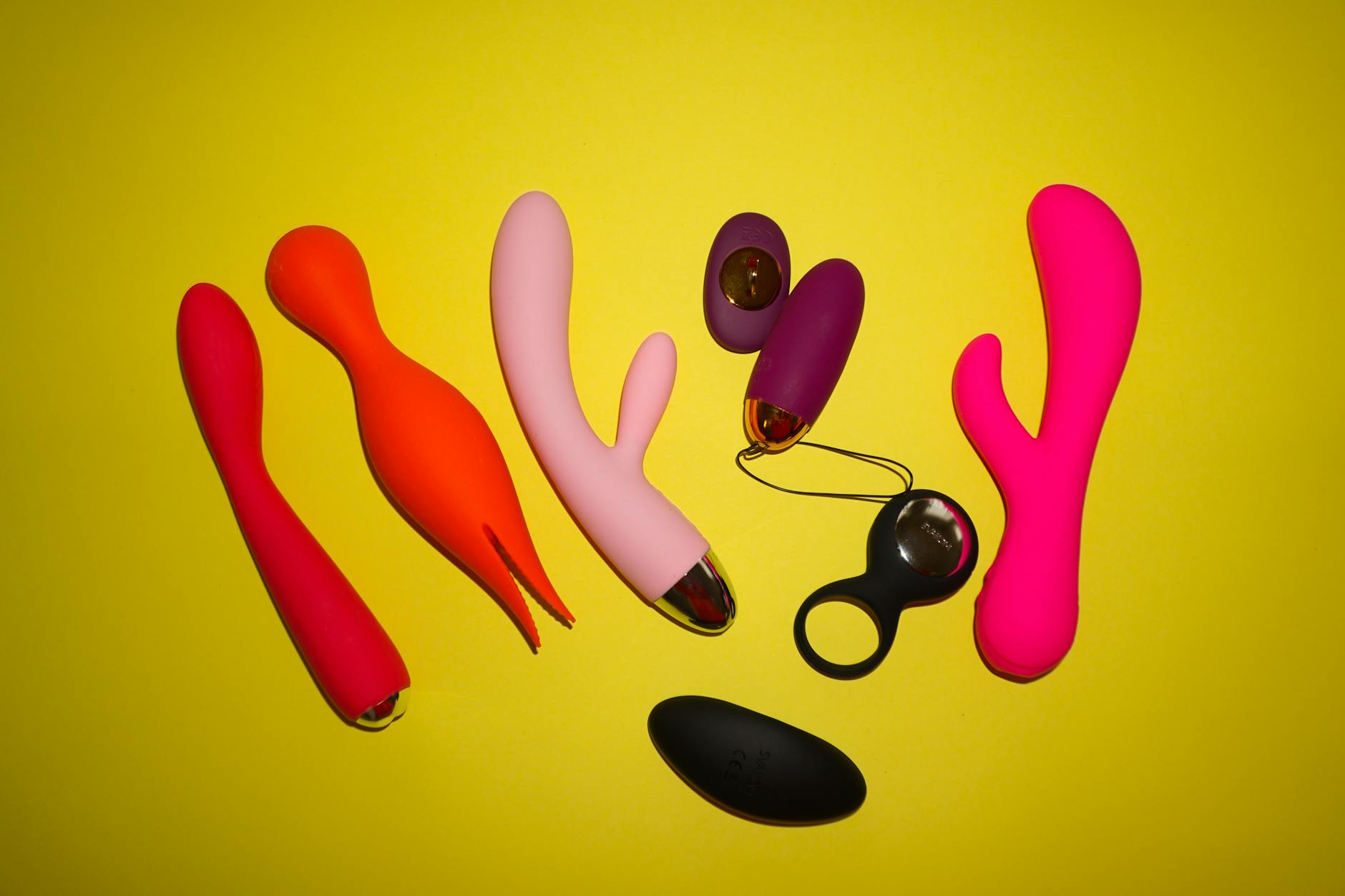
Photo by FounderTips on Pexels
The practical setup
Once you've had the conversation, the next part is way easier than you think. You're not reinventing sex. You're adding one element.
Decide together when you want to introduce it. Some couples like starting solo, so you can figure out what settings and patterns feel good for you without anyone watching. That takes the pressure off performance. Use it on your own first, get comfortable with it, then bring it into partnered sex.
When you do use it together, here are the actual logistics. Start with foreplay as you normally would. Your partner doesn't disappear when the lemon vibrator shows up. They're still there, still involved, still touching you. The vibrator just handles the clitoral part while they're doing other things. This is not complicated.
If your partner feels awkward, ask them to hold it. Let them control the intensity or pattern. Some partners actually love being the one running the vibrator because it gives them clear feedback on what feels good for you. Suddenly they're not guessing. You're telling them in real time.
Start on the lowest setting. Most clitoral vibrators, including the lemon sucker style devices, have multiple intensity levels for exactly this reason. You don't need to go to ten on day one. Build up. See what feels good. What doesn't work at first might feel amazing once you know the patterns better.
Managing the weird feelings
This is the part people don't talk about enough. Even after you've had the conversation and decided to try it, there can be an awkward moment the first time. That's normal. You might feel self-conscious. Your partner might freeze up a little. You might both laugh nervously. That's fine.
The way to get past it is to keep going. The first time will always feel slightly strange because it's new. By the third time, it's just what you do. By the tenth time, you're not even thinking about the strangeness anymore.
If the awkwardness doesn't fade after a few tries, talk about it. "I noticed you seemed hesitant last time. What's going on?" This is where the real intimacy happens. Not in the sex, but in the willingness to keep checking in and adjusting based on what you're both feeling.
What changes and what doesn't
Using a clitoral vibrator with your partner doesn't mean your sex life suddenly becomes about toys. It means you have another option. Some nights you use it. Some nights you don't. Some sessions it's the main event. Some sessions it's foreplay. This isn't a locked-in commitment to a specific way of doing things.
What should change: the conversation. You've now opened a door where you can talk about what you actually want. That's bigger than the toy. That conversation skill is what transforms a partnership over time.
What shouldn't change: your basic affection, attraction, or intimacy. If introducing a lemon vibrator somehow makes your partner feel threatened or less-than, that's not about the toy. That's a deeper insecurity that the toy just happened to trigger. Those are conversations worth having, ideally with a therapist, because they'll come up again in other contexts.
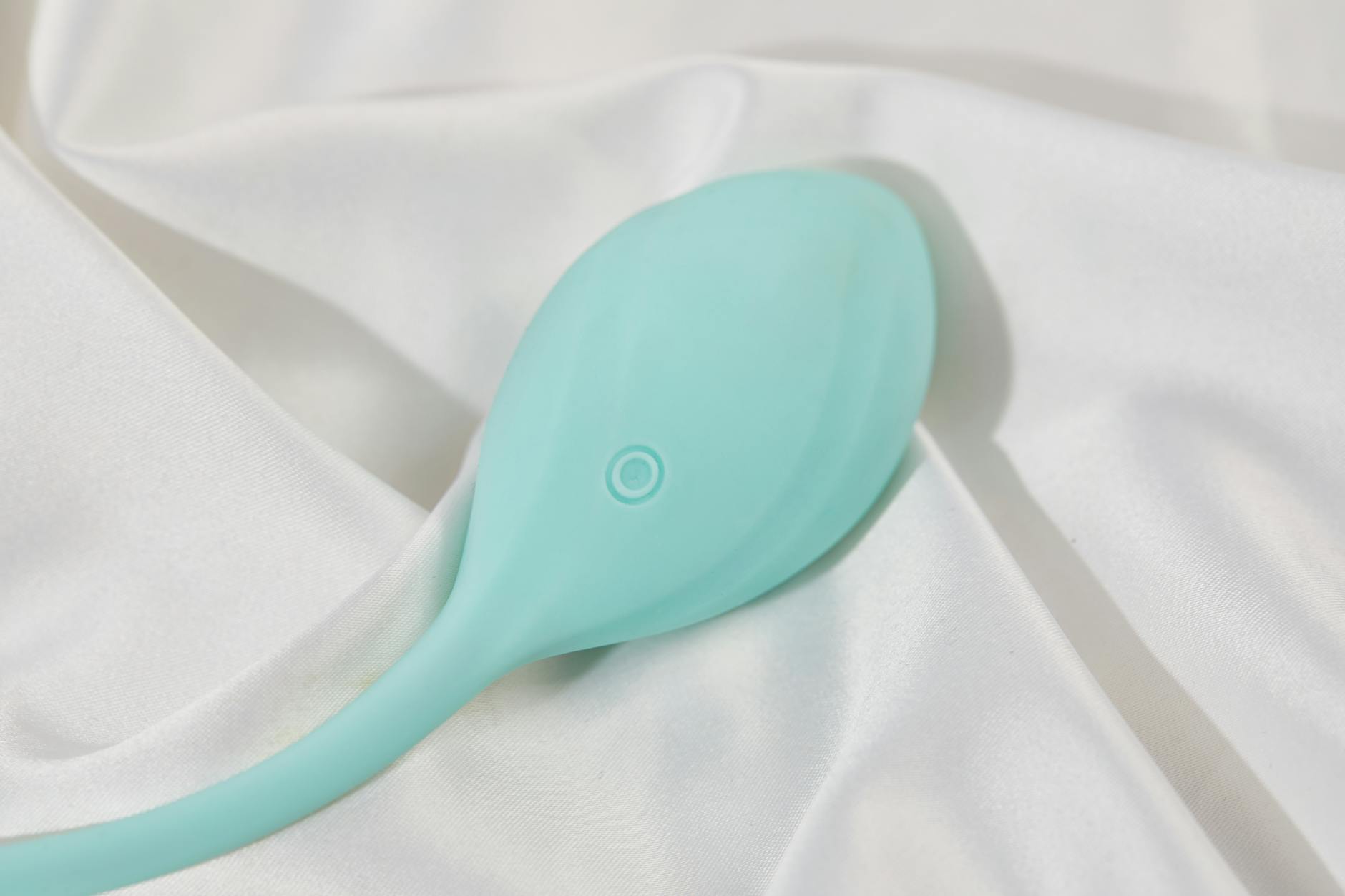
Photo by IFONNX Toys on Pexels
After the first time
Check in. Ask what felt good. Ask what felt weird. Ask what you both want to adjust next time. This isn't a postmortem. It's just curiosity about each other.
Some couples find that once the toy becomes normal, the whole dynamic around sex relaxes. You're not relying entirely on your hands, your mouth, or how tired you are. You have actual tools designed for pleasure. That takes some of the performance pressure off both people.
And here's what I've seen happen over and over in my practice: couples who can have the difficult conversation about introducing a toy end up talking about other things too. What they actually want. What they're nervous about. What they'd like to try. That's the real win.
If you've been with your partner for years, this conversation might be the first time you're both admitting that sex isn't just something that happens naturally anymore. It's something you plan, talk about, and optimize together. That sounds clinical until you realize that's actually how adults who love each other keep desire alive.
The anxiety you're feeling right now is not a sign you shouldn't do this. It's a sign you care about the relationship and you want to handle it well. That's the right instinct. Trust it, have the conversation, and give yourself permission to feel a little awkward at first. That's part of the process.
FAQ: Partner anxiety and clitoral vibrators
Will my partner feel replaced if I use a lemon vibrator with them?
No. A clitoral vibrator isn't a replacement for your partner. It's a different type of stimulation that your hands can't replicate. Partners often feel more connected when they understand what actually gets their partner off, rather than guessing or trying to replicate something their body isn't built to do. Using a lemon vibrator together is collaborative, not competitive.
What if my partner says no to using a vibrator together?
Respect that answer, but ask questions. "What's making you hesitant?" is different from "You're wrong, let's do it anyway." If they need time, give them time. If they're worried about a specific thing, you can address it. If they fundamentally don't want to, you have a bigger decision to make about whether this is a dealbreaker for you. But most people who say no initially will reconsider once they understand it's not a threat.
Should I let my partner choose the vibrator or just surprise them with one?
Definitely let them have input. Going to a shop together or browsing online together removes the surprise element but adds a comfort element. When both people choose it, neither one feels ambushed. If you do want to buy one yourself, mention it first. "I'm thinking of getting a clitoral vibrator. Want to help me pick one out?" is better than showing up with a toy they didn't expect.
How do I know if my partner is actually okay with it or just going along with it?
Ask directly. "You seem quiet about this. Is this actually something you want to try, or are you doing it because I asked?" People sometimes agree to things to keep their partner happy, then resent it later. Better to know upfront. If they're truly uncomfortable, that's information you need.
Can using a lemon vibrator improve our sex life if things have been routine?
It can help, but it's not a fix-all. If your sex life has become routine because you're not talking about what you want, no toy will solve that. But if the routine is just... routine, and you're both open to trying new things, a vibrator can spark some novelty and give you both something to explore together. The real improvement comes from the conversation and willingness to try something new, not from the tool itself.
What if I'm embarrassed to actually use the vibrator during sex with my partner?
You can start solo. Use it alone, get comfortable, understand what it does, remove the mystery. Then introduce it to partnered sex. The embarrassment usually comes from not knowing what to expect. Once you know how it feels and what you like, it's much easier to use in front of someone else. You're no longer discovering it. You're just sharing something you already know feels good.
The real takeaway
You don't need permission from your partner to have a curiosity about your own pleasure. You do need their willingness to be part of the conversation. If they're a good partner, they will be. And once you've had that conversation, using a lemon vibrator together shifts from something scary and foreign into something normal, manageable, and often pretty fun.
Your anxiety right now is telling you this matters. That's not a warning sign. That's just you caring about getting it right. You probably will.
If you need more structured guidance on how to navigate couple dynamics and communication around intimacy, our guide on introducing toys to partners walks through deeper communication strategies. And if you're looking for the basics on how different toys feel, this guide on what makes clitoral vibrators different might help you explain what you're interested in.