Let's get real about your first time
Using a clitoral vibrator isn't as intuitive as you might think. The wrong positioning, speed, or technique can leave you wondering what all the fuss is about. The right approach? That changes everything.
I've worked with countless people learning to use lemon vibrators and other clitoral toys, and the difference between a mediocre experience and a genuinely transformative one usually comes down to three things: where you're touching, how fast you're going, and whether you're relaxed enough to actually feel it. We'll walk through all of it.
Start with positioning, not speed
Here's the mistake most people make: they turn the vibrator on immediately and go straight for direct clitoral contact at high speed. Your clitoris is sensitive. Very sensitive. Direct vibration at full throttle often feels more janky than pleasurable, especially the first time.
Instead, start above the clitoris. The clitoral hood (the tissue covering the clitoris) is packed with nerve endings and usually less sensitive than the tip of the clitoris itself. Place your lemon vibrator or other clitoral vibrator on the hood and let it work there for 30-60 seconds before going lower.
Another positioning trick: the side approach. The clitoris has a shaft on either side, and many people find lateral vibration more pleasant than direct contact. You're not missing out on sensation. You're actually expanding your options.
The speed progression that works
Turn your vibrator on at the lowest setting. If your device (like the Lem vibrator) has multiple patterns, start with the simplest one. For about a minute, let your body adjust to the sensation. This isn't a race.
After that minute, you have two choices. Either stay at that speed and explore different positions with the vibrator. Or increase the intensity very slightly. Many lemon clitoral vibrators have 3-5 speed levels. Most beginners find their sweet spot somewhere between level 2 and level 4, not at maximum.
Why? Because you're not trying to arrive at orgasm as quickly as possible. You're learning what your body responds to. That takes exploration, and exploration requires patience.
The rhythm question
Some people think a vibrator is just a vibrator. Wrong. The way you move it matters as much as the vibration itself. A few patterns worth trying: hold it still and let the vibration do all the work. Move it in slow circles. Try a side-to-side rocking motion. Experiment with pausing and restarting.
The pattern that feels best to you is the pattern that's best for you. There's no universal right answer here. That's actually good news, because it means you get to discover what works through direct experience, not through someone else's instruction manual.
How to know if you're using it correctly
You should feel the vibration clearly, but not painfully. There should be enough pressure that the sensation registers, but not so much that you feel pressure or discomfort. If you're numb after a minute or two, you might be holding it too loosely. If you're uncomfortable, back off the intensity or position.
Pleasure should feel building, not frantic. If you're white-knuckling the vibrator or tensing your whole body, something's off. Relax your thighs, your belly, your jaw. The clitoris responds better when the surrounding muscles aren't braced.

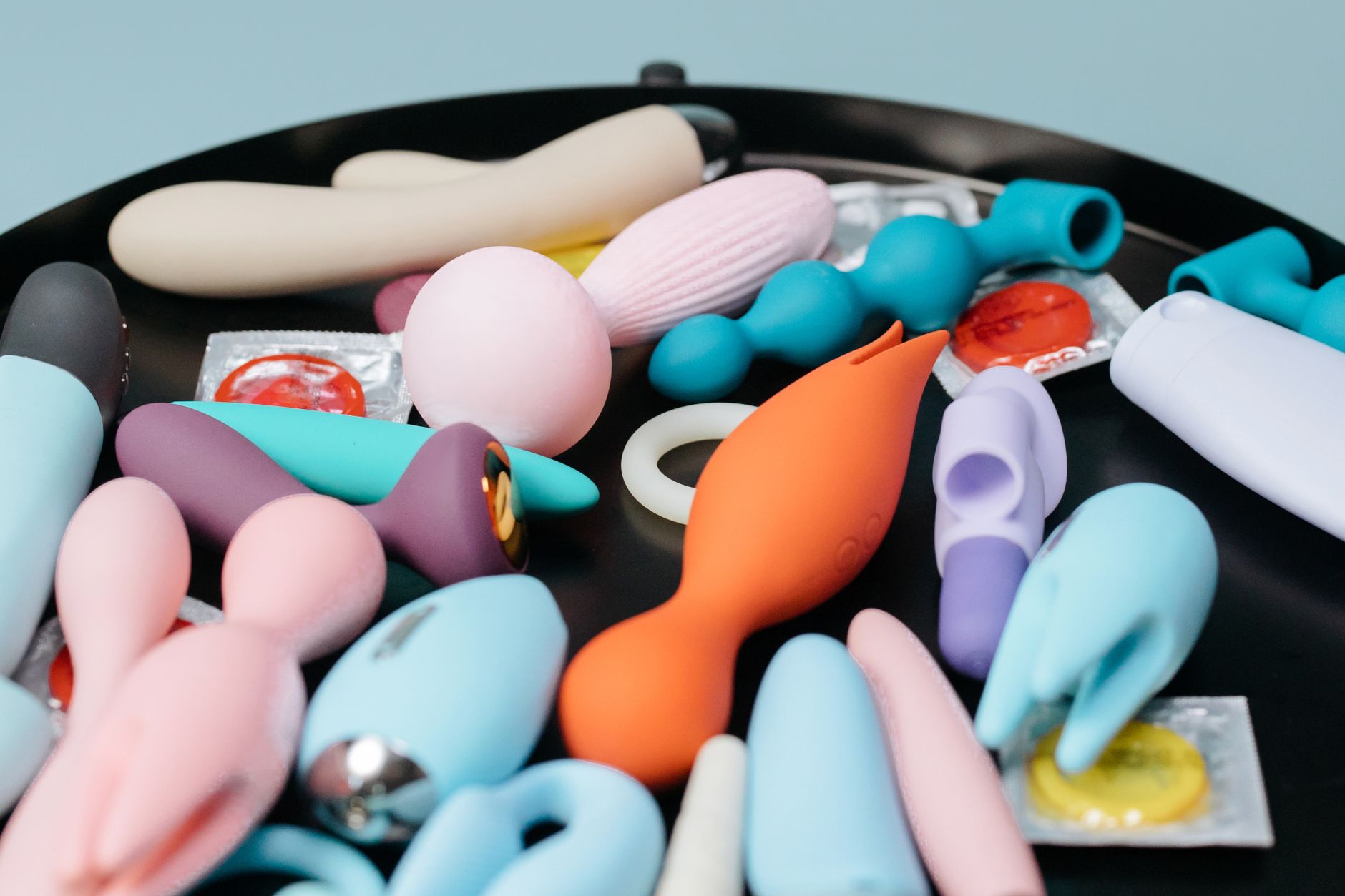
Photo by cottonbro studio on Pexels
The warm-up phase nobody talks about
Using a vibrator works best when you're already aroused. That means before you even pick up your device, spend time doing whatever turns you on. Read erotica. Watch something. Think about something. Touch yourself. The goal is to get blood flowing to the area before you introduce vibration.
Why does this matter? Arousal increases sensitivity and engorgement. When tissue is engorged, vibration feels better. This isn't a step you should skip, especially if you're new to vibrators.
If you're using a vibrator with a partner, this warm-up phase is also when you build anticipation together. There's no rule that says the vibrator has to come out immediately. Let the tension build first.
Lubrication makes a difference
Your body makes its own lubrication, and that's fine. But external lube often makes the sensation better, especially if you're exploring different positions and don't want friction to be a limiting factor. Use water-based lube if you're using silicone lemon vibrators or other silicone toys. Silicone lube can degrade silicone toys over time.
A small amount goes a long way. You're not trying to create slip. You're adding a layer that lets the vibration move more fluidly across tissue.
What you might feel (and what's normal)
Your first vibrator experience might be incredible. Or it might be decent. Or it might feel pleasant but not life-changing. All of these are normal.
Some people orgasm the first time using a vibrator. Others need 3-4 sessions before their body figures out what's happening and responds. Some people never orgasm from vibration alone, and that's completely fine. Pleasure exists on a spectrum that includes but is not limited to orgasm.
If nothing happens the first time, don't panic. Your nervous system is processing a new sensation. Your body is learning. Come back to it in a few days with the same patient, curious mindset, and often things shift.
The mental side is half the game
Your brain is part of your pleasure anatomy. If you're anxious, self-conscious, or waiting for something to happen, your nervous system stays in sympathetic mode (fight-or-flight), and pleasure gets harder. If you're curious, present, and giving yourself permission to feel good, everything flows better.
This is why using a vibrator alone, at least initially, often works better than with a partner. There's no performance pressure. You're not managing someone else's experience. You're just with your own body and what it wants.
Mind you, partner play with vibrators is wonderful too. The key is doing it when you've already figured out what feels good on your own. Then you're bringing knowledge into the experience, not anxiety.
Common beginner mistakes to avoid
Don't start at maximum speed. Don't assume that if it doesn't work immediately, your body is broken. Don't skip the warm-up phase. Don't use oil-based lubes with silicone toys. Don't expect your first session to feel like what you've imagined.
Most importantly, don't treat this like a task with a success-failure binary. You're learning. Learning is the win.
People also ask
How long should I use a clitoral vibrator for?
There's no time limit. Some people enjoy 5-10 minutes of vibration. Others like 20-30. Stop when you want to stop. If you're feeling numb or sore after a session, you might be using it too long or with too much pressure next time. Your body will tell you what it needs if you listen.
Can you use a clitoral vibrator too much?
Regular use won't desensitize your clitoris or harm it. That's a myth. That said, if you're using a vibrator multiple times daily, you might want to vary your technique or take a break now and then just to keep things interesting. Your clitoris responds to novelty like the rest of your nervous system does.
What if a vibrator doesn't feel good?
Not every toy works for every person. You might need a different shape, a different vibration pattern, or a different intensity range. Some people prefer the air-suction style of devices to traditional vibration. Others find that external vibration works better when it's paired with internal stimulation. Give yourself permission to experiment or to try something different.
Is it normal to not orgasm with a vibrator?
Completely normal. Orgasm is one form of pleasure, not the only one. Some people experience intense pleasure from vibrators without reaching orgasm. Others need a combination of vibration and other stimulation. There's no "should" here.
How do I introduce a vibrator with a partner?
Start with a conversation, not a surprise. Tell them you're curious about exploring with a vibrator and ask if they're interested in joining you. You might use it on yourself while they're present, or you might both explore it together. There's no script. You're just communicating, being honest, and checking in.
Can men use clitoral vibrators?
Yes. People with external anatomy can use them on the head of the penis, the frenulum (the underside of the shaft), or the perineum. The sensation is different from internal vibration, and many people find it intensely pleasurable. If you've been curious, it's worth trying.
Next steps
Grab a device that appeals to you. The Lem vibrator is designed specifically for clitoral stimulation and works well for people new to vibrators. Read through our complete guide to lemon vibrators if you want more context before you start. Set aside some time alone, no distractions, and explore with curiosity instead of expectation.
Your pleasure matters. It deserves attention and patience. You deserve to feel good.
If you have questions or want to talk through what's working or what isn't, reach out. That's what we're here for.