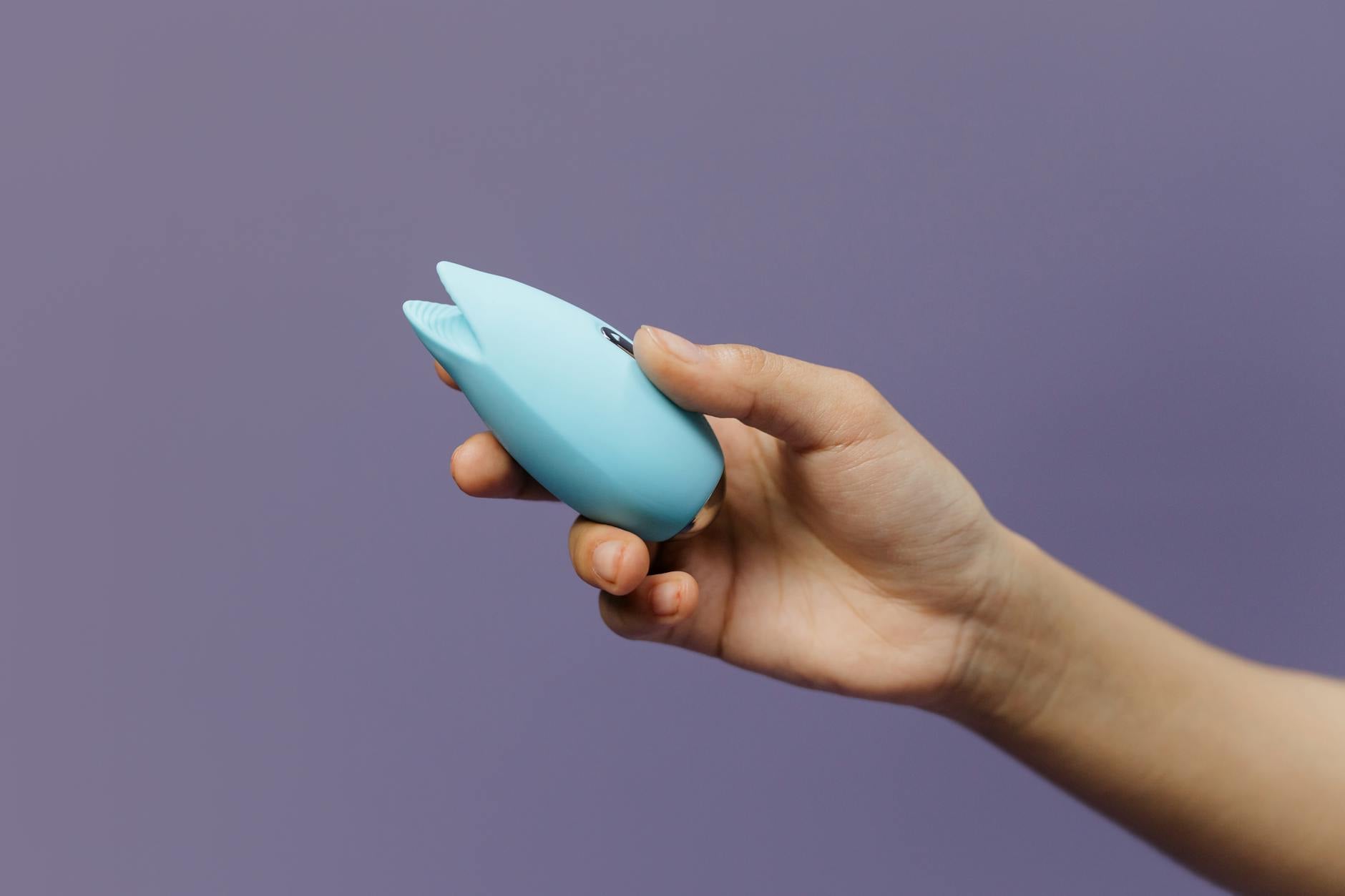
Let's start with the honest thing
Your nervous system is humming. Their eyes are still half-closed on their phone. This is one of the most common friction points in partnered sex, and almost nobody talks about it directly. Instead, people feel rejected, or they pump the brakes entirely, or they pretend to wait when they're actually frustrating themselves into numbness. None of those outcomes are great.
Here's what I see in my practice: arousal timing mismatches aren't about desire or love. They're about different nervous systems moving at different speeds. And a lemon vibrator actually fixes this better than most couples realize, because it lets you both get what you need in the same moment.
Why arousal timing is harder than you think
Your partner's arousal might lag for half a dozen reasons that have nothing to do with attraction. They might have had a stressful day. They might have slower blood flow to the genitals naturally. They might take longer to transition mentally from work to sex. They might have been on medication or have a medical history that changes their response speed. They might just genuinely respond to touch better than visual or mental stimulation.
Meanwhile, your arousal is already full steam. Now you're in a weird pocket where you feel frustrated or even abandoned. That resentment builds fast. Within a few minutes, the whole experience collapses into obligation or tension.
What a lemon vibrator does is separate the timeline problem from the connection problem. You can maintain your own arousal without waiting passively. Your partner can take the time they need without feeling rushed or pressured. And you're both still in the same space, still touching, still present.
The setup: starting before arousal is equal
Most couples wait until both partners are equally turned on before introducing a toy. That's backward. The time to introduce a lemon vibrator is the moment you notice the lag.
Here's what that looks like in practice.
You're kissing. You're building. You notice your partner is still in the warm-up phase while you're already thinking about what comes next. That's the moment to say something like: "I want to use my vibrator while we're together. You can just keep doing what feels good for you." Or simpler: "Want to help me use this?"
The lemon vibrator isn't a replacement for what they're doing. It's a parallel track. They keep kissing you, touching you, whatever they're doing. You use the vibrator. Both of you get to your own peak without the weird waiting period.
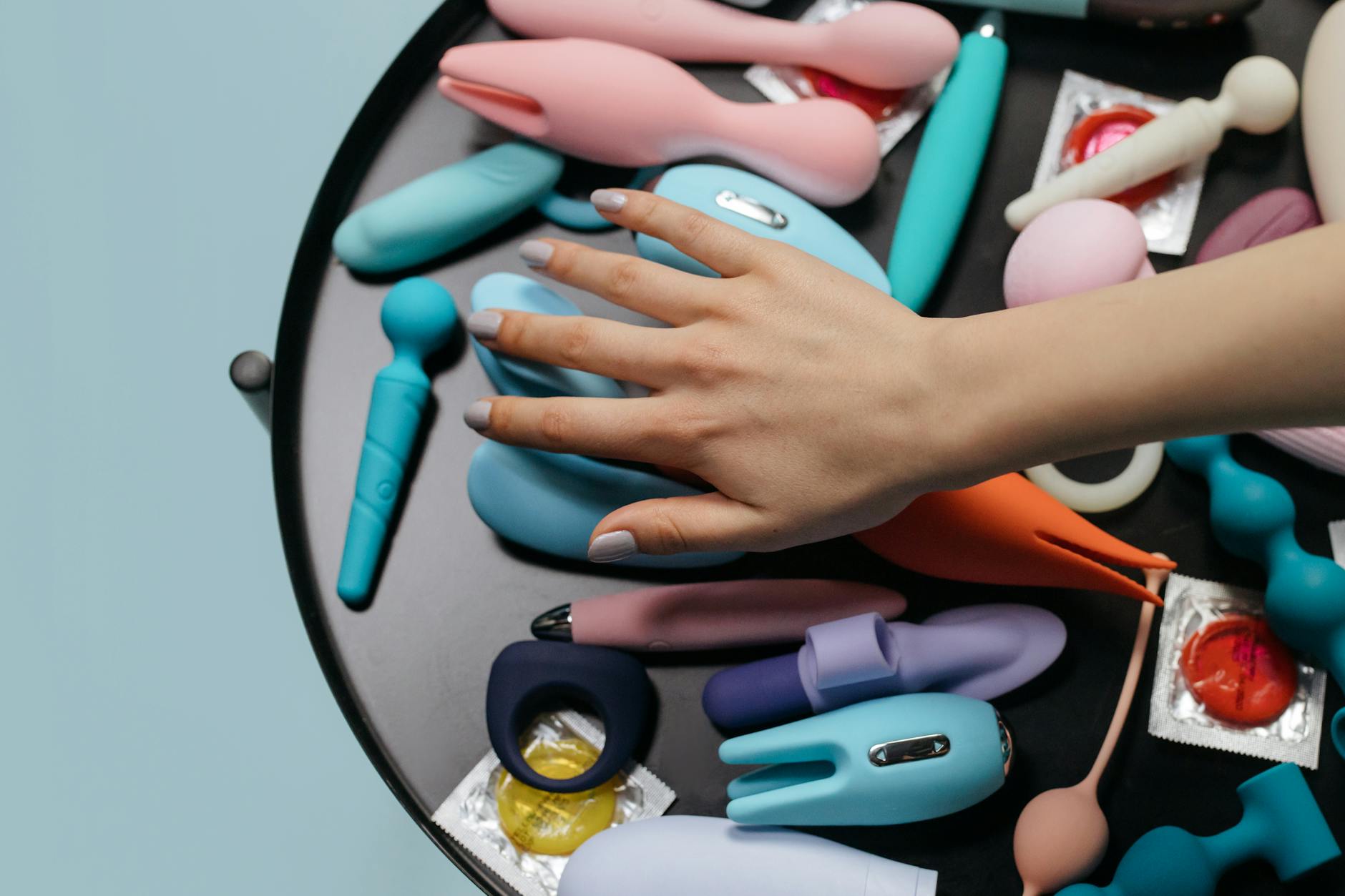
Photo by cottonbro studio on Pexels
The physical mechanics that actually work
A lemon clitoral vibrator is ideal for this specific situation because it's designed to work fast and efficiently. When your partner is still warming up, you don't have 20 minutes to fiddle around. You need something that gets to the point.
Start with a lower intensity setting. This keeps you in the arousal conversation with your partner instead of pulling ahead into solo territory. Some people get worried that using a vibrator will make them finish before their partner, but honestly? That's usually because they're using it at maximum intensity. Dial it back.
Keep the vibrator on the same side of your body where you're touching your partner. This matters more than you'd think. If you're using it while they're kissing your neck, position it so they can see what you're doing. The visual piece is enormous for partners who need more mental engagement to build arousal. Watching you enjoy something because of their presence is often what tips them into the next gear.
If external sensation feels too intense because you're already ramped up, use a lighter touch or hold the lemon vibrator at an angle instead of directly against the clitoris. This sounds small, but it completely changes the sensation profile. You're still getting the benefit. You're just adjusting the volume.
The emotional piece (which matters more)
Here's where arousal timing mismatches actually live: not in the body, but in the story you're both telling about what the mismatch means.
If your partner interprets your need for a vibrator as "they don't want me anymore," the whole thing falls apart. If you interpret their slower arousal as "they're not attracted to me," you're already setting up resentment.
Using a lemon vibrator openly with your partner actually rewrites that story. It says: "I'm so turned on I need this, and I want to do this with you here." It's the opposite of rejection. It's a claim on the pleasure, and an invitation to witness it.
Some partners get genuinely more aroused watching. Others feel less pressure to keep up. A few need a moment to adjust to seeing it, and that's fine too. But the moment you treat the vibrator as shameful or hidden, you're back in the guilt space. Use it like it's just part of sex. Because it is.
When to introduce it earlier in the process
If you know your partner takes longer to warm up, don't wait for the lag to become obvious. Bring it up before you're already frustrated. Say something like: "I know you take a minute to get going, and I love that about you. I'm usually faster. Would it be weird if I used my lemon vibrator while we're together so we can both enjoy ourselves at the same time?"
That's not a rejection of them. That's a logistics conversation. It's practical and kind.
If they seem hesitant, ask what the hesitation is. Sometimes it's performance pressure (they think they should be able to turn you on without a toy). Sometimes it's genuine curiosity but they don't know how to start. Sometimes they're worried it will be too intense for you and you'll check out emotionally.
Talk about what you both actually need. For some couples, that means the vibrator is a regular feature. For others, it's just for those specific moments when timing is off.
Adjusting settings to match their pace
This is technical but important. If your partner is still in the buildup phase and you use a lemon vibrator at level 5, you're creating a disconnect. Try starting at level 1 or 2. Let your arousal rise gradually alongside theirs.
As they warm up, you can increase intensity. This creates a synchronized experience instead of a staged one. You're not finishing while they're starting. You're moving through the phases together.
If they're someone who likes a very slow buildup, this is actually where a lemon clitoral vibrator shines. The patterns and settings give you granular control. You're not locked into one intensity. You can adjust second by second based on what's happening in your body and what you're reading in theirs.
The conversation after
Once you're both done, check in. "How was that for you?" isn't a test question. It's actual data gathering. Did it feel better? Worse? Neutral? Did they feel more present or less?
Sometimes the first time feels awkward. That's normal. The second or third time usually feels way more natural. If it consistently doesn't work, there's probably a deeper story underneath about ownership or performance or attraction that needs its own conversation. That's when a couples therapist is useful.
But most of the time, when you give both partners permission to meet their own needs in the same moment, the whole experience gets less tense and more intimate. Not despite the vibrator. Because of it.
Why arousal mismatch is actually fixable
The couples I see who feel most disconnected are often the ones trying hardest to synchronize artificially. They're waiting. They're faking. They're using positions that don't work for their bodies. Then they blame the mismatch instead of the strategy.
A lemon vibrator removes the fake wait. You get your pleasure. They get theirs. You're still in the same room. You're still touching. That's proximity, not rejection.
This is also why how to use a lemon vibrator with your partner when you have different desire levels matters. It's not just about timing. It's about building a system where both of you can show up fully instead of compromising into resentment.
Similarly, if the lag is about sensation or responsiveness rather than timing, how to use a lemon vibrator when external sensation becomes too intense offers strategies for managing your own arousal without disconnect.
People also ask
Will using a vibrator make my partner feel like they're not enough?
Not if you frame it right. The difference between "I need this because you're not turning me on" and "I want this while you're here because I'm already so turned on" is everything. One's a critique. The other's a celebration. Use it as the latter.
Can we use a lemon vibrator if my partner is still very early in arousal?
Absolutely. In fact, that's often the ideal time. You're not pulling away from them. You're staying present while managing your own timeline. They can keep kissing you or touching you while you use it. The key is keeping it as a "with" experience, not an "instead of" one.
What if my partner gets offended the first time I suggest it?
Take it slow. Don't lead with the vibrator. Lead with the problem: "I notice I'm usually faster than you, and I hate the waiting feeling. How do you feel about that?" Let them sit with it. Then introduce the solution a few days later. Sometimes people need a beat to process before they can respond generously.
Should I use the vibrator before my partner is aroused, or wait until we're both starting to warm up?
Wait until there's some baseline warmth in the room. You want to introduce it as part of the sex, not as a substitute for the transition into sex. Ideally, you're both kissing or touching. Then you bring it in. It's an escalation, not a replacement.
Does using a lemon vibrator mean my partner will take longer to get aroused next time?
No. In fact, many partners get faster over time because the pressure lifts. When they stop trying to race your arousal, their nervous system actually settles and responds more efficiently. It's counterintuitive, but real.
How do I know if the issue is arousal timing or something deeper like attraction?
Ask directly. "I've noticed it takes you longer to get going. Is it always like this, or is it something specific right now?" Listen without defending. If they say it's stress or medication or just how their body works, it's timing. If they get defensive or vague, there might be something else. That's the conversation to have separately from the vibrator conversation.