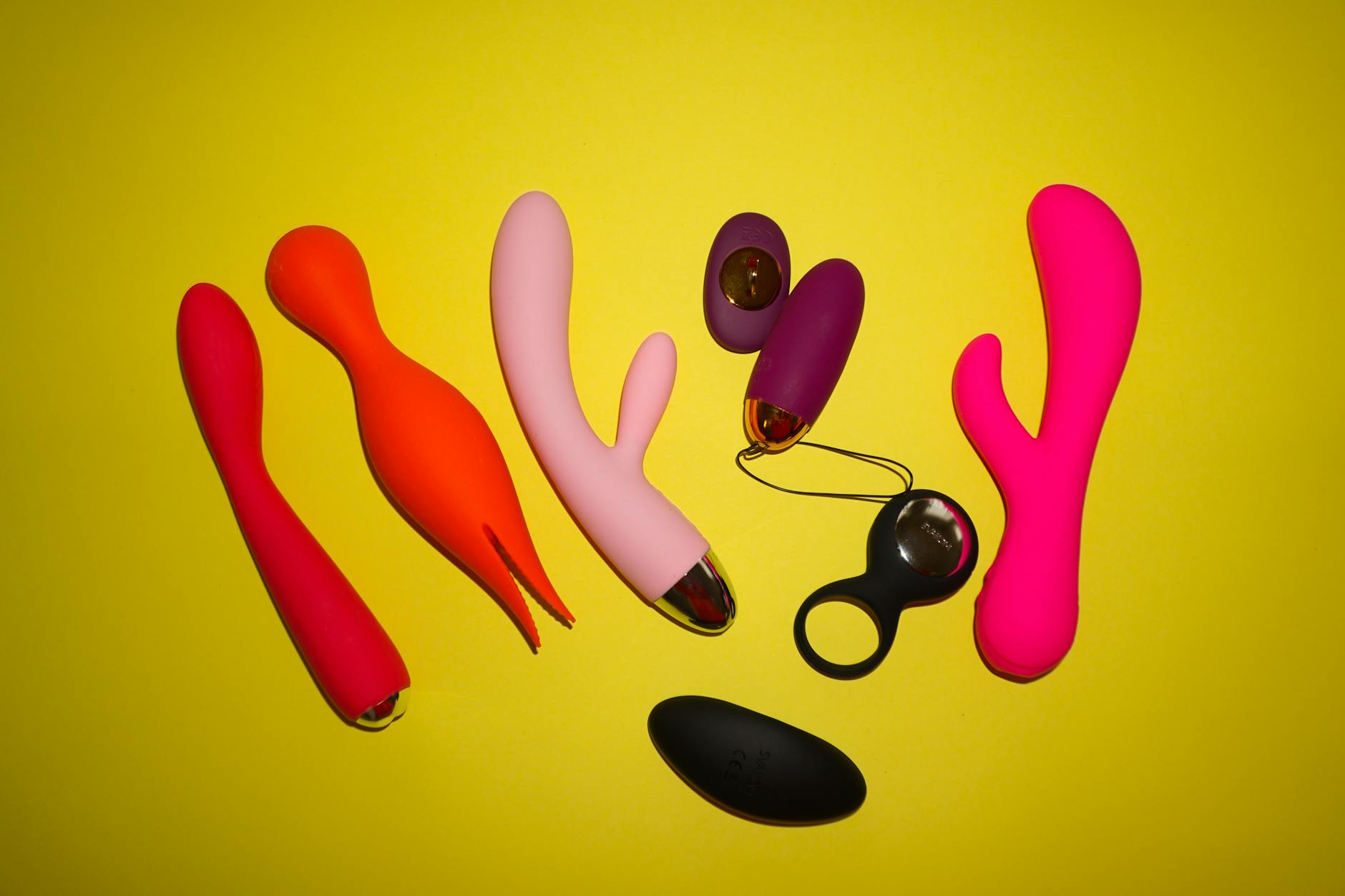
Here's the thing nobody tells you about moving forward
You get together with someone, the spark is wild, and then one of three things happens: you move in together, you get married, or you rebuild after a long separation. And suddenly, that urgent, electric arousal? Gone. Your body doesn't respond the same way. You don't crave touch like you used to. Sex becomes something you do, not something you want.
Most couples assume this means the relationship is broken. Most therapists will tell you it's normal. Both are true and neither helps.
What actually happens is a shift in novelty, safety, and anticipation. And once you understand that, you can deliberately work to restore arousal. A lemon vibrator isn't magic, but it is a tool that works remarkably well during this specific transition.
Why arousal tanks after big relationship milestones
When you first get together with someone, your nervous system is in constant alert. There's uncertainty, which creates arousal. Your brain is flooded with dopamine. Touch is rare and therefore electric.
Then you live together. Your nervous system downshifts into safety mode. You see them in the morning with bedhead. You know exactly how they load the dishwasher. The mystery dissolves.
This is biochemically real. Your brain has optimized for comfort, not excitement. Oxytocin increases. Dopamine drops. The result: less spontaneous arousal, longer warm-up times, sometimes a total flatness that feels like the desire died.
For some couples, this transition happens over months. For others, it's instant. The timeline doesn't matter. What matters is knowing that flatness doesn't mean you're broken or that the relationship is wrong. It means your body adapted to safety.
Why lemon vibrators work better during this phase
Lemon clitoral vibrators, like the Lem, are designed to work with minimal direct pressure and with rhythmic precision. When arousal is low, your body takes longer to respond. The research here is clear: air-suction stimulation, which the Lem uses, activates a broader area of nerve endings than direct vibration alone.
This matters because during low-arousal periods, direct contact often feels too intense or even uncomfortable. The lemon vibrator's suction pattern works differently. It draws tissue upward gently and releases, creating a rhythmic sensation that can feel new to your body even if you've used toys before.
It also creates what I call "productive novelty." You're not just having the same sex you always have. You're introducing something intentional and different. Your brain notices. That's when dopamine starts flowing again.
How to reintroduce arousal to your body
The goal isn't to force desire. It's to create conditions where desire can emerge again.
Start solo first. Not as a substitute for partnered sex, but as a way to remind your nervous system what arousal feels like. Set aside 20-30 minutes when you're alone. Use the lemon vibrator on the lowest setting. The point is sensation, not orgasm. Pay attention to what feels good and what doesn't. Your body might surprise you.
Schedule sex, seriously. I know this sounds unromantic. It's actually the opposite. When arousal is low, spontaneous sex often feels obligatory. Scheduled sex removes that pressure. You know it's coming, which gives your brain time to anticipate. Anticipation creates arousal.
Introduce the toy into partnered sex slowly. Don't hand your partner the lemon vibrator and expect them to know what to do. Use it on yourself first while they're present. Let them watch. This is vulnerable, and that vulnerability creates connection. Once you're comfortable, they can take over, but your comfort comes first.
Use it on the lowest settings initially. The Lem has multiple intensity levels. Most people jump to level 3 or 4 out of habit. Start at level 1. Your body needs time to wake up again.
The conversation you need to have with your partner
This is the part that actually matters more than the toy. Your partner needs to understand that low arousal isn't about them. It's not about attraction. It's a neurobiological shift that happens in long-term partnerships.
Here's what helps: name the specific transition. "Moving in changed how my body responds" is different from "I'm not attracted to you anymore." One is solvable. The other creates defensiveness.
Then talk about what you need from them. Do you need them to initiate differently? Do you need more non-sexual touch during the day, so your nervous system feels safe enough to activate sexually at night? Do you need them to understand that using a toy doesn't mean they're failing you?
Many people worry that introducing a lemon vibrator or other clitoral vibrator will hurt their partner's feelings. If that's the dynamic, that's worth exploring. Your pleasure isn't a threat to their competence. It's an expansion of what you both can experience together.
How long before arousal returns
There's no fixed timeline. Some people feel a shift within a few weeks of using a lemon vibrator regularly. Others take months. The variable isn't the toy. It's how much intentional attention you both bring to rebuilding arousal.
What I've seen consistently: when couples name the problem, use tools like lemon clitoral vibrators, schedule sex, and actually talk about it, arousal comes back. Not exactly the same as the early relationship phase (that's normal and fine), but real and satisfying.
The key is consistency. Using the toy once and expecting everything to change is like going to the gym once and expecting fitness. Arousal is a practice.
When this becomes a deeper issue
If arousal doesn't return after three to four months of consistent effort, or if resentment is building because one partner feels rejected, couples therapy is worth considering. Sometimes low arousal masks other relationship friction: unequal household labor, poor communication, or unresolved conflict.
A therapist trained in the Gottman Method can help you identify the actual blocker and give you tools tailored to your specific dynamic. The lemon vibrator is useful, but it's not a substitute for addressing the relationship itself.
One more thing
Arousal isn't a measure of love or commitment. Some of the couples I've worked with who rebuilt their sexuality after major transitions ended up with deeper intimacy than they had at the start. The flatness you're feeling isn't permanent. It's a signal that something needs attention. That something might be the relationship. It might be your body's need for novelty. It might be both.
The good news: all of these are fixable.
People also ask
How soon after moving in together do couples usually experience a drop in arousal?
It varies widely. Some couples notice a shift within the first month. Others don't feel it until after six months of cohabitation. The timeline depends on how much time you spent together before moving in, how much you've integrated your daily lives, and your individual nervous system sensitivity. If you were already spending most nights together, the shift might be subtle. If you moved in together quickly, the change can feel sudden and jarring.
Can a lemon vibrator fix arousal problems on its own?
No. A lemon clitoral vibrator is a tool that can help restore sensation and create novelty in your body, but arousal exists in a context. If the underlying relationship issue isn't addressed, using a toy alone won't solve the problem. That said, the sensory experience of using a lemon vibrator can open a conversation and help your nervous system remember what pleasure feels like. It works best as part of a broader effort that includes communication and intentional attention to your sexual connection.
Should I use the lemon vibrator with my partner present, or is solo use better?
Both serve different purposes. Solo use helps you reconnect with your own arousal and removes performance pressure. You can explore what feels good without worrying about your partner's response. Using a lemon vibrator together can rebuild intimacy and novelty in your shared experience. Most people find the sweetest spot is alternating between both. Start solo to build confidence, then bring it into partnered sex once you're comfortable.
What if my partner feels threatened by me using a vibrator?
This is a conversation worth having before you even buy one. Explain that a lemon vibrator isn't a substitute for them. It's an addition. Many partners actually feel relief when they understand this. It removes pressure from them to be your only source of arousal. If defensiveness persists, that points to a deeper insecurity that might need couple's work. You deserve to explore your pleasure without shame. If your partner can't support that, that's information about your relationship.
How often should I use a lemon vibrator to rebuild arousal after a relationship transition?
Ideally, three to four times a week. This gives your nervous system regular input without turning it into a chore. If you're using it with your partner, frequency might depend on your schedules. Solo use can be more frequent. Consistency matters more than intensity. Regular, gentle use rewires your body's responsiveness faster than sporadic marathon sessions.
Can arousal really come back after it's been gone for a long time?
Yes, absolutely. I've worked with couples who experienced flatness for a year or more and rebuilt real arousal through intentional effort. The brain is plastic. Your body hasn't forgotten how to feel pleasure. It's just gone into a holding pattern. With consistent attention, novelty, communication, and sometimes tools like a lemon vibrator, arousal returns. It often looks different than it did at the start, but that's not worse. It's usually more grounded and intentional.
What to do next
If you're experiencing a drop in arousal after moving in together, getting married, or rebuilding after distance, start with conversation. Tell your partner what you're noticing. Then commit to three things: solo exploration with a clitoral vibrator like the Lem, scheduled sex, and regular check-ins about what's working. Most couples find that six to eight weeks of consistent effort shifts the landscape. If it doesn't, reach out. You don't have to figure this out alone.