Let's start with the thing nobody says out loud
When your partner's stress tanks their sex drive, it's not actually about you. But it feels like it is. The frustration sneaks in quietly. You start to internalize the rejection, wonder if they're attracted to you anymore, question whether the relationship is dying. Meanwhile, they're drowning in work deadlines or family chaos and can barely think about sex at all.
Here's the truth: their stress-induced low libido and your need for pleasure are two separate problems. Treating them as one problem is where couples get stuck.
Why stress kills desire (and why it's not personal)
When your partner's cortisol is running high, their body is in survival mode. Sex requires psychological presence. It requires mental space. It requires the parasympathetic nervous system (the rest-and-digest system) to be online. Stress shuts all of that down. Their brain is running emergency protocols, not romance protocols.
This happens to people across all genders and relationship structures. It's biology, not rejection. The problem is that knowing this intellectually doesn't stop you from feeling hurt when touch becomes infrequent.
That's where reclaiming your own pleasure comes in. Not as a workaround for couple intimacy. Not as a band-aid on the relationship. But as a necessary act of self-respect while you both navigate this phase.
The mental shift that changes everything
The most important thing I tell couples in this situation: separating your pleasure from your partner's availability is not selfish. It's strategic.
When you depend entirely on your partner's desire to access your own, you create a system where their stress becomes your sexual scarcity. That dynamic breeds resentment. You start keeping score. Sex becomes something you're asking them for, not something you're choosing for yourself.
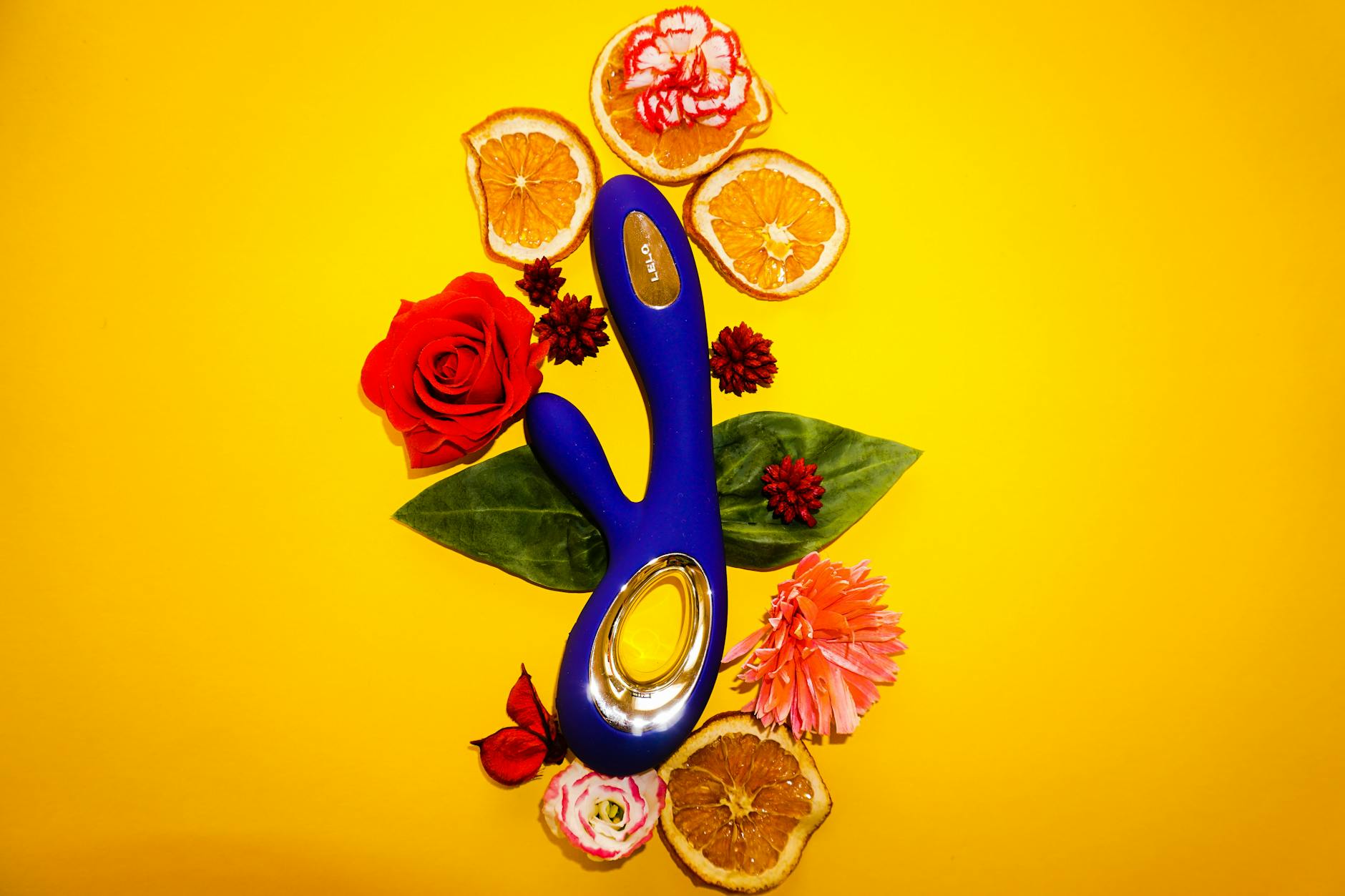
Using a clitoral vibrator like the Lem gives you back agency. You're not waiting for them to be ready. You're not tracking their mood or their workload to see if today is a sex day. You're taking ownership of a basic need.
This actually helps the relationship recover faster. When you're not depleted from sexual frustration, you show up differently. You're less resentful, less accusatory, more capable of supporting them through the stress.
How to use a lemon clitoral vibrator during this season
Here's the practical part. If your partner's stress is real, they probably need sleep more than they need sex right now. That's fine. Your pleasure doesn't depend on their participation.
Set a realistic rhythm. Don't try to maintain the same frequency of couple sex you had before. Talk about it explicitly. "I know you're overwhelmed. Let's pause the expectation that we have sex twice a week. But I need to take care of my own pleasure independently." This conversation removes the guilt layer for them and the waiting game for you.
Create your own space. This doesn't mean hiding. It means designating time that's yours. Maybe it's Sunday morning while they're sleeping. Maybe it's after they're settled on the couch with work. The lemon clitoral vibrators are quiet enough that you can use one discreetly in another room. Your pleasure doesn't require an audience or an invitation.
Use it without the pressure narrative. The difference between a vibrator that's a workaround and a vibrator that's a reclamation is your internal story. If you're using it while resenting them, that becomes corrosive. If you're using it because your body deserves attention and care, it's genuinely different. The vibrator is the same. Your mindset is what shifts.
When to involve your partner (and how)
Some couples find that their partner actually wants to watch or help, even when their own desire is low. Stress can lower initiatory desire while responsive desire stays intact. Your partner might not want to lead sex, but they might be interested in witnessing your pleasure or helping you find exactly the right angle with the vibrator.
If this feels true for your relationship, you can invite them without making it an ask or a pressure. "I'm going to spend some time with myself this evening. If you want to sit with me or help, I'd like that. But I'm doing this regardless." That changes the dynamic from you needing something from them to you choosing something for yourself, and they're welcome to join.
Other partners genuinely need their stress to decrease before they can hold space for another person's pleasure. That's also valid. Honor it without sacrificing your own needs.
The timeline conversation
Stress doesn't last forever, but it can feel like it does when you're in it. Before you commit to months of solo pleasure plus couple disconnection, have an actual conversation about the timeline.
"Your work is intense right now. How long do you think this phase will last?" Let them give you their honest estimate. Then: "Here's how I'm planning to take care of myself in the meantime. And here's what I'd like us to revisit when things settle." This frames it as temporary, not as the new normal, while also being realistic about where you both are right now.
Many partners feel relieved knowing that their lower desire is being addressed without creating pressure or blame. The resentment often dissolves once both people know the other isn't suffering in silence.
Why the lem vibrator specifically works here
The lemon clitoral vibrator operates through suction and pulsing rather than just vibration alone. This means you're not dependent on being in a specific frame of mind. Even when you're distracted or your arousal is slower to build, the suction creates sensation independently. It works with your body rather than requiring your body to already be halfway there.
For partners navigating stress season together, this matters. You don't need extended foreplay. You don't need someone else to warm you up. You can access your own pleasure efficiently, which means you're not taking time away from their rest and recovery.
The conversation after the stress breaks
Here's where couple intimacy comes back in. When your partner's stress begins to ease and their desire returns, that's actually the perfect moment to talk about what you've learned.
"I've really enjoyed taking care of my own pleasure during this phase. I'd like to keep doing that sometimes, even when we're having regular couple sex again." This normalizes independent pleasure as part of your sexual life, not as a temporary workaround.
Some partners feel threatened by this. That's usually rooted in a belief that if you're satisfied alone, you won't need them. That's not how pleasure works. Multiple sources of satisfaction don't diminish each other. They actually reduce the pressure on couple sex to be everything.
When this becomes a longer pattern
If stress-related low desire becomes the constant state, that's a different conversation. Chronic stress, depression, medication effects, or deeper relationship issues might be at play. At that point, using a lemon clitoral vibrator is still valid, but you might also need a therapist or a doctor in the room.
I've worked with couples where low desire becomes a protective mechanism for other relationship problems. Low sex drive can be a symptom of disconnection, resentment, or emotional betrayal that's not being addressed. If that's your situation, a vibrator keeps you sane, but it doesn't fix the relationship issue.
Be honest with yourself about the difference between temporary stress and a pattern that requires intervention.
The bottom line
Your partner's stress is real. Your need for pleasure is also real. These don't compete for the same resources. Using a lemon clitoral vibrator during this season is an act of self-respect, not selfishness. It keeps you connected to your own body while giving your partner space to recover. And when the stress breaks, you'll both be better for it.
People also ask
Is it normal to feel resentful when your partner's sex drive drops from stress?
Completely normal. What matters is what you do with that resentment. If you pretend it doesn't exist, it festers. If you weaponize it against your partner, you create distance. The productive path is to acknowledge it, address your own needs independently, and have honest conversations about the timeline. Resentment usually dissolves once you stop depending entirely on your partner for your pleasure.
Can using a vibrator alone affect my desire for partner sex later?
No. This is a common worry but it's not supported by research. Using a clitoral vibrator doesn't desensitize you to partner touch if you're also engaging in partner sex when it happens. What sometimes happens is that your baseline pleasure standards improve. You know what works for your body. That's actually better for couple sex, not worse. You know what to ask for.
Should I tell my partner I'm using a vibrator during this time?
It depends on your relationship and how you frame it. If you present it as evidence that they're failing you, that creates defensiveness. If you present it as "I'm taking care of my body while you handle what you're handling," most partners respect that. Some relationships are more private than others. Do what feels honest and kind to both of you. Just don't use secrecy as a way to avoid having real conversations about your needs.
How often should I be using a lemon clitoral vibrator if my partner's desire is low?
There's no universal answer. Some people use it weekly. Some use it daily. Some use it less frequently and it's deeply satisfying each time. Pay attention to what feels restorative versus what feels like you're trying to fill a void. Self-pleasure should feel like a choice, not a compulsion. If you're masturbating frantically to manage resentment, that's a sign the relationship issue needs attention too.
What if my partner feels threatened by my independent pleasure?
That's worth exploring. Often it comes from insecurity or a belief that pleasure is a finite resource they're losing. Some education helps: your pleasure doesn't diminish theirs. It actually makes you a better partner because you're not running on empty. If the threat doesn't ease after conversation, couples therapy can help untangle what's really driving the fear.
How do I know if this is temporary stress or a sign of bigger relationship problems?
Temporary stress-related low desire usually rebounds when the stressor goes away. Your partner's desire returns because they're sleeping again, the deadline passed, or the crisis resolved. Deeper relationship problems show up differently. Their desire stays low even when external stressors ease. They avoid touch generally. They seem disconnected even outside the bedroom. That pattern suggests you might benefit from professional support to figure out what's really happening.
The real shift
The hardest part of navigating a partner's stress-related low desire isn't the sex itself. It's staying connected to yourself while they're temporarily unavailable. A lemon clitoral vibrator is a tool for that. But the real work is internal: remembering that your pleasure matters even when they can't show up for it. That distinction changes everything.