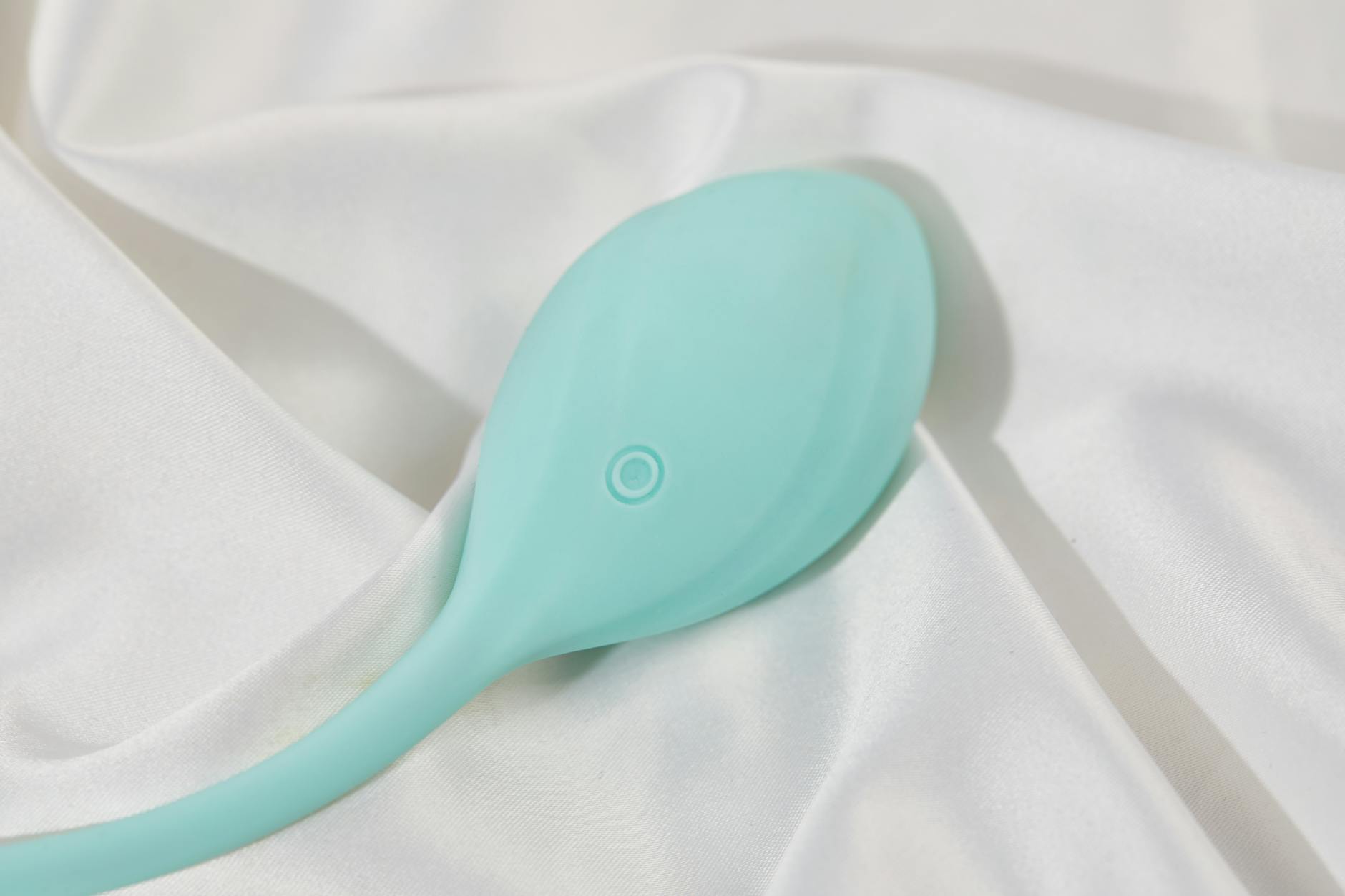
Let's talk about the real friction
Here's what I hear in my office, over and over: "I want to use a vibrator with my partner, but I'm worried they'll feel like I'm saying they're not enough." That concern is valid. It also isn't how any of this actually works. A lemon clitoral vibrator isn't a referendum on your partner's performance. It's a tool that changes what's possible for both of you.
The trick is understanding that an orgasm during partnered sex isn't about proving anything. It's about pleasure being mutual, which sometimes means one person needs different stimulation to get there. That's not a failure. That's communication.
Why lemon vibrators change partnered pleasure
Most people need clitoral stimulation to orgasm, and most penetration alone doesn't deliver it in a reliable way. That's just anatomy, not opinion. When a partner is inside you (or you're using penetration in whatever way works for your bodies), the angle and pressure on the clitoris are usually insufficient. A lemon sucker device like the Lem solves that without stopping everything else.
The Lem works particularly well for partnered sex because it's hands-free after the initial positioning. You're not managing a wand or asking your partner to do manual work while they're engaged elsewhere. Once it's placed, you can focus on the other person, the connection, the rhythm. The device does its job quietly in the background.
There's also a psychological shift that happens when you approach a vibrator as "a tool we both benefit from" rather than "something I need because my partner can't do it." Suddenly it feels collaborative, not compensatory.
The conversation that comes before
Don't introduce a clitoral vibrator mid-sex for the first time. That's a recipe for confusion and hurt feelings, even if neither of you means to create them. The conversation happens beforehand, and honestly, it's usually easier than people think.
Start with something like: "I've been thinking about trying a vibrator during sex, and I want to see if you're open to it." Then listen. Your partner might be relieved. They might feel hesitant. They might have questions. All of those responses are data, not rejection.
If they hesitate, ask what's underneath it. Often it's one of three things: they think vibrators are "for solo use only," they worry it means you're not satisfied with them, or they're anxious about logistics (does it fit? where do I go? am I in the way?). None of these are deal-breakers. They're just things to solve together.
If your partner is enthusiastic, great. If they're lukewarm, you might spend a few days talking about it. "What if we tried it just to see?" is often the bridge between hesitant and curious.
Positioning that works for both of you
Think about where your partner is and where your clitoris is, and where a lemon vibrator sits. If you're in missionary, the Lem goes between your bodies, and your partner is behind or on top of it. If you're on top, you control the angle more easily and can angle the device toward yourself. If you're side-by-side, it's straightforward. From behind, the angle works if you're on your knees.
The key is figuring out what's comfortable before you're mid-motion. Talk through it. "If I hold it here, does that work for you?" Real questions. Real answers.
Also: lube. A lot of it. A water-based lubricant isn't just for the Lem itself. It makes everything smoother and less friction-focused, which changes how partnered movement feels. Less resistance, more fluidity.
What actually happens during
You start however you normally start. When you're both engaged and ready, you (or your partner) place the lemon vibrator where it works best. Usually this is against the clitoris, outside the body, at whatever pressure and pattern feels good. Turn it on to a lower setting. Most people start at pattern one or two.
Then you move together. Your partner continues whatever they were doing. Your hips move with theirs, or against the vibrator, or you stay mostly still. There's no one right way. You're finding the rhythm that lets the vibration work while you're both connected.
Why lemon clitoral vibrators excel here: they're quiet, they don't need repositioning every thirty seconds, and the suction pattern means you can move without breaking contact. A wand vibrator needs different positioning if you're moving a lot. The Lem just stays with you.
Some people climax quickly. Some take longer. Some orgasm multiple times. Some don't orgasm but feel incredible. All of that is fine. The point isn't the orgasm. The point is that you both showed up, communicated, and tried something together.
The thing nobody says out loud
Using a vibrator with a partner often makes the person without the vulva feel more present, not less. When they're not responsible for producing the orgasm single-handedly, they can actually pay attention to you. They can watch your face, they can feel your responses, they can adjust what they're doing based on what's working instead of getting stuck in one movement hoping it'll work.
The vibrator removes a certain performance pressure from both of you. You're not faking it to make them feel competent. They're not anxious about whether they're doing it right. You're just both there, both trying, both invested in the pleasure.
That's when sex gets better.
Managing expectations (yours and theirs)
Using a lemon vibrator during partnered sex doesn't guarantee orgasm. Nothing does. It makes orgasm more likely, and it makes the path to it more straightforward. But sometimes bodies don't cooperate, or the timing's off, or you're distracted.
Go in with: "This might feel amazing. It might feel weird. We might learn that we love it or that it's not for us. All of that's okay."
If you orgasm faster with the vibrator than without it, that's normal. If your partner feels self-conscious the first time, that's also normal and usually fades after a second or third time. If the angle doesn't work the first time, you adjust and try again.
This is experimentation, not a test you pass or fail.
When to bring it up again
After you've used a clitoral vibrator together, the next conversation is just a regular check-in. "Did you like that?" "What felt good?" "Should we try it differently next time?" The same way you'd talk about anything else that's part of your sex life.
If it was amazing, make it a regular part of your routine. If it was awkward, you can try once more or shelve it. If your partner had a concern that showed up during sex (like they felt excluded or uncomfortable), that's worth a direct conversation outside the bedroom.
Relationships are made of thousands of small conversations, and this is just one of them. The fact that you're having it matters more than the outcome.
FAQ: Partnered vibrator use
What if my partner is worried the vibrator will be "weird" or "unnatural"?
That's actually pretty common, and it usually comes from the idea that "real" sex shouldn't need tools. But we use tools for everything else in life that matters. We use glasses to see better, chairs to sit more comfortably, and kitchen tools to cook better meals. A vibrator is just a tool that helps your body access pleasure more reliably. It's not cheating. It's not weird. It's upgrading the experience.
Will a lemon clitoral vibrator make me dependent on it?
No. Your body doesn't "forget" how to respond without a vibrator. Some people enjoy using vibrators in partnered sex and also enjoy sex without them. Some prefer sex with them. Both are totally normal. Pleasure is flexible. Your nervous system doesn't lose its ability to respond one way just because you've experienced another way.
What if I orgasm way faster with a vibrator, and my partner feels like they're being rushed?
This is where communication saves you. If your partner is feeling like they don't have time to finish, you have options. You can both orgasm (vibrator helps one person, they finish how they need to), or you can separate the experience (you get off with the vibrator, then move into penetration for them). Orgasms don't have to happen simultaneously. Sometimes they do. Often they don't. That's fine.
Is it okay to use a lemon sucker during oral sex with a partner?
Absolutely. Some people find that a vibrator during oral sex intensifies the sensation in a way that gets them there faster. Others find it's too much stimulation at once. You'd need to communicate about placement and comfort. The vibrator goes where the person with the vulva wants it. Their partner watches for signs that the rhythm is working and adjusts if needed.
What if we can't figure out the positioning?
Don't overthink it. Try missionary first. If that doesn't work, try you on top. If that doesn't work, try lying on your side. The goal isn't perfect positioning. The goal is "does this feel okay and can we both move?" If the answer to both is yes, you're good. Awkward the first time is normal.
How do I bring up trying a vibrator if my partner has never talked about toys before?
Start small and frame it as curiosity, not criticism. "I've been reading about people using vibrators during partnered sex, and I'm wondering if you'd ever be open to trying that?" That opens a door without demanding they walk through it immediately. They get to say yes, no, or "let me think about it." All three are completely valid.
The real outcome
Adding a lemon vibrator to partnered sex usually doesn't change the relationship. It changes the sex. You get more reliable pleasure. You get to experience what your body is actually capable of. Your partner gets to see you experiencing real, obvious pleasure. You both get to know that pleasure is something you can create together, not something that happens to you.
That foundation matters in the rest of your relationship too. If you can communicate about vibrators and positioning and what feels good, you can communicate about other important things.
Start the conversation. See where it goes. Your pleasure is worth the small awkwardness of asking.