Here's the frustration nobody talks about clearly enough
Your refractory period is the biological pause between one orgasm and the next. In your twenties, it might be five minutes. By your forties, it's often thirty minutes or longer. By your fifties or sixties, it can stretch to hours. Same nervous system. Same capacity for pleasure. But the hardware has changed its timing.
Most people assume this means fewer orgasms per session. That's not actually true. It means you need a different approach to get the same (or better) results. That's where lemon vibrators come in.
Why refractory periods get longer as you age
It's not punishment. It's physiology. After an orgasm, your parasympathetic nervous system activates. Blood pressure drops. Genital tissue becomes less sensitive. Your brain releases prolactin, a hormone that literally suppresses arousal for a set period. This refractory phase is built in.
Hormonal changes amplify this. Testosterone drops with age, and testosterone shortens refractory periods (yes, people with ovaries produce testosterone and it matters for this). Estrogen fluctuations also affect how quickly the nervous system resets. Add medication, stress, or relationship transitions, and the refractory period lengthens further.
But here's what doesn't change. Your clitoris has the same number of nerve endings. Your capacity for pleasure is still there. Your body can still produce intense orgasms. The refractory period just means you need a smarter strategy to access them.
Why lemon vibrators specifically help with longer refractory periods
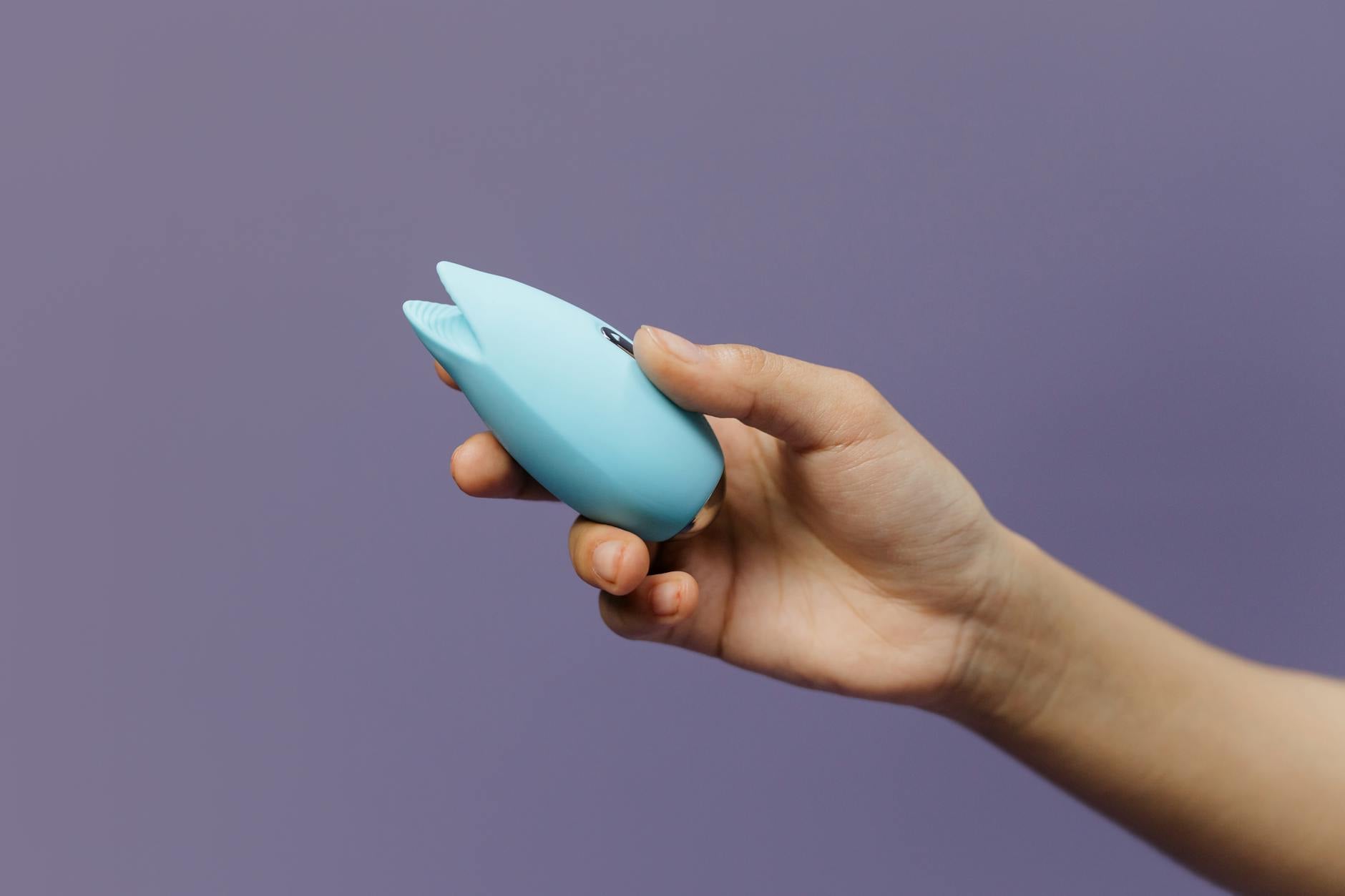
Lem vibrators use air-suction technology instead of traditional vibration. That matters for refractory recovery in three specific ways.
First, air suction feels different to recovering tissue. After an orgasm, genital tissue is temporarily hypersensitive. Direct vibration can feel overwhelming or even painful during that window. Air suction creates a rhythmic pressure and release pattern that stimulates without aggressive friction. Many people find they can initiate arousal again 10 to 15 minutes after climax with a lemon vibrator, whereas traditional vibrators would feel unbearable.
Second, the sensation profile is unique. Air-suction devices stimulate the entire clitoral complex, not just the external glans. This engages different neural pathways. You're activating fresh nerve clusters, which means the nervous system doesn't feel like it's in immediate refractory mode. You're essentially sidestepping some of the biological braking mechanism.
Third, you can build arousal gradually without restart fatigue. Traditional vibrators often require you to go from zero to full intensity. With a lemon clitoral vibrator, you can begin on patterns one or two at low suction, let arousal rebuild organically, and escalate without jarring the system. The gradual intensity ramp means your nervous system has time to transition out of the refractory phase while still receiving pleasure signals.
The practical strategy for back-to-back sessions
If you want multiple orgasms in one session despite a longer refractory period, structure it like this.
After your first orgasm, wait 5 to 10 minutes. Don't jump back in immediately. Let your heart rate drop. Let the initial intensity of sensation fade. Breathe. This isn't wasted time. Your nervous system is beginning the transition out of the refractory phase.
Then switch to your lemon vibrator at pattern one or two. Start with light suction, not maximum intensity. The goal is to reintroduce sensation gradually. Many people find that if they try to go straight back to their previous intensity, the refractory block is still active and sensation feels muted or irritating.
Stay at low intensity for 3 to 5 minutes. Let arousal rebuild. You might not feel dramatic excitement right away. That's normal. Arousal after a refractory period often feels quieter than the first spike. This is not a sign something's broken. This is the nervous system recovering.
Gradually increase the pattern and suction level over the next 5 to 10 minutes. The lemon clitoral vibrator's air-suction design means you can increase intensity in small, manageable increments. No sudden jumps. This slow escalation respects your refractory period instead of fighting it.
The result: many people find they can achieve a second orgasm within 20 to 30 minutes instead of waiting 45 minutes to an hour. Some report that their second orgasm actually feels more intense than the first because the nervous system has fully reset and the arousal buildup has been longer.
How this changes with different medications and conditions
If you're taking antidepressants, your refractory period is likely longer and orgasm might feel subtly different in texture. A lemon vibrator's graduated intensity approach is particularly helpful here because you can find the exact sensation profile that works with the medication rather than against it.
If you're managing blood pressure medication, some formulations reduce genital blood flow. The suction element of a lemon clitoral vibrator actually helps by creating localized pressure that encourages blood flow. You might notice sensation returns more quickly.
If you're post-menopausal or have hormonal shifts, your refractory period lengthens but your clitoral nerve density stays the same. This is one of the reasons people often report their most intense orgasms come later in life. You have the full nerve capacity plus the time to activate it properly. A lemon vibrator respects that extended timeline.
The partner angle (if that applies to you)
If you have a partner, longer refractory periods often feel awkward. One person is ready for more. The other needs a break. A lemon vibrator solves this by making it possible for you to have another orgasm on your own timeline without waiting for synchronized arousal.
You can also incorporate a lemon vibrator into partnered sex differently during your refractory period. Many people find that external stimulation from a partner feels good even if internal penetration doesn't. A lemon clitoral vibrator in your hand (or theirs) during your refractory recovery can rebuild desire without the pressure of full penetration or the intensity of immediate repetition.
When refractory periods signal something else
If your refractory period has suddenly lengthened or changed dramatically, it's worth checking in with a doctor. Sometimes sudden shifts signal medication changes, hormonal conditions, or cardiovascular shifts worth addressing.
But normal age-related lengthening of refractory periods is completely standard physiology. It's not a decline in your capacity for pleasure. It's a shift in your rhythm. And a shift in rhythm just means you need different tools and strategies.
FAQ
Can a lemon vibrator shorten my refractory period permanently?
No. The refractory period is neurological. It resets itself. But using a lemon vibrator smartly can help you work with your refractory period instead of against it, which means you'll have more orgasms per session despite the longer biological pause. Think of it as rhythm accommodation, not biological reversal.
Will using a lemon vibrator too soon after orgasm cause numbness?
Not numbness, but temporary hypersensitivity. That's why starting at low intensity on a lemon clitoral vibrator matters. The air-suction sensation is gentler than traditional vibration during this vulnerable window. Wait 5 to 10 minutes, then introduce the vibrator at pattern one. Hypersensitivity will fade as arousal rebuilds.
Does the lemon sucker help if my refractory period is super long (over an hour)?
Yes. The extended timeline just means you might spend 15 to 20 minutes in the arousal-rebuild phase instead of 5 to 10. The lemon clitoral vibrator's graduated intensity approach works at any timeline. Start at low intensity and build slowly. Your nervous system will catch up.
Can I use lubricant with a lemon vibrator during my refractory period?
Absolutely. Water-based lubricant helps the suction sensation feel smoother and more comfortable, especially on tissue that's still recovering from intense stimulation. Lubrication doesn't interfere with air-suction technology. Many people find it essential.
Does refractory period lengthening mean my body is losing capacity for pleasure?
No. Refractory period length and pleasure capacity are unrelated. You have the same clitoral nerve endings and the same capacity for sensation. The refractory period is just the reset time, not the quality of sensation. This is why many people report their most satisfying orgasms come later in life. You've got the full hardware and the experience to use it.
If I use a lemon vibrator frequently, will my refractory period get even longer?
No. Refractory period length is neurological and hormonal, not use-dependent. Using a lemon vibrator regularly won't lengthen your refractory period. What might happen is you'll develop a better sense of your body's rhythm and learn how to work with your timeline rather than against it. That's the opposite of a problem.