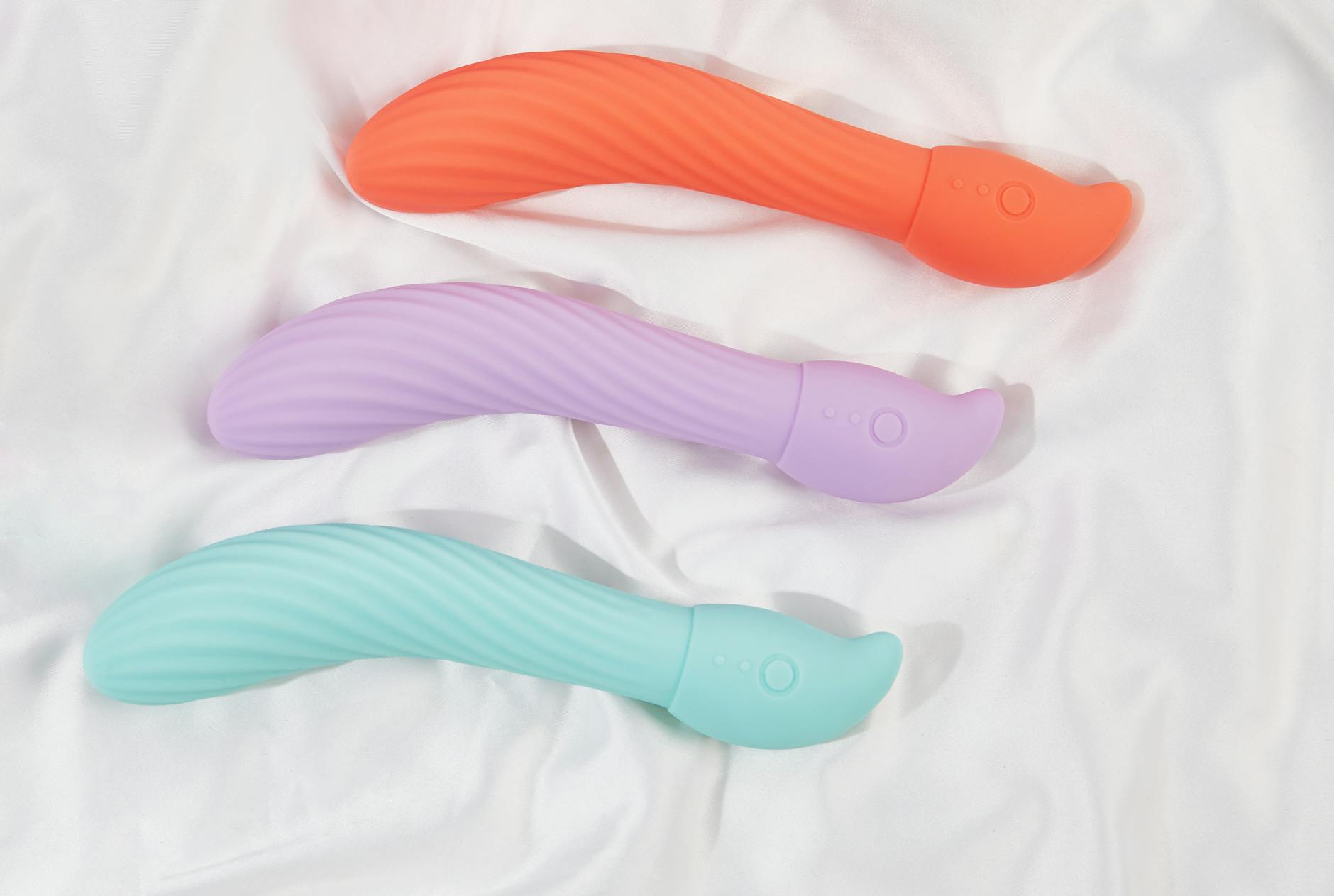
The gap nobody talks about
You've done the work. Months of pelvic floor physical therapy. Stretches, breathing exercises, the whole thing. Your pain is gone. But here's what happens next that your therapist probably didn't mention: your pelvic floor forgot how to relax into pleasure.
Pelvic floor PT teaches your muscles to release and reset. That's essential. But it also means you've spent months in a state of focused, therapeutic awareness of that area. Swapping from "controlled tension release" to "arousal and orgasm" requires a transition strategy.
Rebounding with a lemon vibrator after pelvic floor physical therapy is different than starting fresh. You're not building sensation from zero. You're waking it back up.
Why lemon vibrators make sense for post-PT bodies
A lemon clitoral vibrator uses gentle suction instead of direct vibration. That matters post-therapy because your pelvic floor has been through re-education, and the nerves in that region are hypersensitive to jarring stimulation.
Direct vibration can feel like it's retraumatizing the area, even if physically you're healed. Suction creates a gentler pull that engages sensation without sudden intensity. Most of my clients report that lemon vibrators feel more intuitive and less overwhelming than traditional vibrators when returning to pleasure after PT.
The other advantage: suction allows you to control engagement. With a vibrator, once it's on, it's on. With a lemon sucker like the Lem, you're recruiting sensation gradually. That control is psychologically important after months of being told to manage physical sensations in clinical ways.
The first week: observation mode
Don't jump straight to orgasm attempts. Week one is about reconnection.
Set aside 10 to 15 minutes in a space where you won't be interrupted. You're not performing. You're not chasing anything. You're gathering information.
Start with the Lem on the lowest setting (pattern 1 or 2). Hold it against your clitoris without engaging. Just notice what you feel. Does it feel different than before PT? Is there sensitivity you didn't expect? Numbness? Tingling? These observations matter because they'll guide what you do next.
Many people report that their clitoris feels slightly more sensitive immediately after PT, as if the nerves have woken up. Others feel almost nothing for the first few sessions. Both are normal. Your nervous system is remembering what pleasure feels like.
Breathe while you're doing this. Your pelvic floor learned new breathing patterns in PT. Keep using them. Slow exhales paired with the sensation you're feeling help your body recognize this as safe, pleasurable information rather than therapeutic work.
Weeks two and three: building capacity
If week one felt okay (no pain, no panic, just sensation), you can add light engagement.
Still use the lowest settings. Spend 5 to 10 minutes building awareness before turning anything on. This warm-up tells your body that pleasure is coming. It prevents the startle response that can tighten your pelvic floor unexpectedly.
When you do turn on the lemon vibrator, use it for 3 to 5 minutes in one session. Not because you have to climax, but because that's a realistic window for your nervous system to stay grounded. Your pelvic floor is used to focused attention, but not sustained pleasure attention yet.
If you feel tension creeping in, stop. That's not failure. That's your pelvic floor reminding you it's still learning. Do one of the relaxation techniques your PT taught you (typically deep belly breathing or gentle stretching), wait 10 minutes, and try again for a shorter duration.
Most people report that by week three, the tension settles and sensation starts to organize into something recognizable as arousal.
The plateau (weeks four and beyond): integrating intensity
You're past the initial reintroduction phase. Your body knows the lemon vibrator isn't a threat. Now comes the part that takes patience.
Your orgasm capacity might not snap back to where it was before. That's not permanent. But it does mean you're essentially relearning the sensation pathway that connects clitoral stimulation to release.
Move to patterns 3 or 4 if patterns 1 and 2 feel boring. Spend 15 to 20 minutes if you want. Let your body set the pace. Some days you'll climax easily. Some days you won't. That variability is part of the healing process, not a sign something's wrong.
One thing I recommend: alternate between solo exploration and partnered use. If you have a partner, let them know you're in the reintroduction phase. That's not an invitation to them to "help." It's context for why you might need more time, more quietness, or a shift in what you need from them physically.
Many couples find that post-PT recovery is a chance to rebuild sexual communication from the ground up. You've both just spent months focused on medical stuff. Pleasure gets to be its own conversation now.
When to pause and reassess
If you're experiencing pain (not discomfort, not sensitivity, but actual pain) more than four weeks in, loop in your PT or doctor. Sometimes pelvic floor recovery isn't linear. A setback doesn't mean you've done anything wrong. It means your body needs a slightly longer timeline or a different approach.
If you're not rebuilding sensation by week six, that's also worth mentioning to your care team. Nerve recovery can take longer in some cases, and that might benefit from targeted treatment rather than waiting.
Also check: are you still doing your home pelvic floor exercises? Some people stop the moment pain is gone. But the recovery stays incomplete if you stop the strengthening work. PT isn't something you graduate from immediately. It's something you integrate into your life. Keep doing your routine, even as you're reintroducing pleasure.
The psychological reset
Here's what nobody warns you about. Physical healing and emotional healing aren't the same timeline.
If your pelvic floor issues came from pain during sex, trauma, or chronic tension from stress, the physical healing of the tissues doesn't automatically rewire the memory your brain holds about that area. Your muscles might be fine. Your nervous system might still be holding onto protective patterns.
When you're using a lemon clitoral vibrator post-PT, you're not just rebuilding sensation. You're also telling your nervous system that this area is safe for pleasure again. That takes repetition and patience, especially if the original issue was linked to anxiety or past pain.
If you notice that you're tightening up every time you try, or that thoughts like "this is going to hurt" bubble up, that's your nervous system still in protective mode. That's not a reason to force it. It's a reason to go slower, maybe with a partner present for reassurance, or to loop in a therapist who specializes in sex and trauma alongside your PT.
Making it part of your life (not just a recovery task)
The goal isn't to "get back to normal." It's to integrate pleasure as part of your ongoing health.
After eight weeks or so, if you're consistently using your lemon vibrator and things feel stable, you can shift out of "recovery mode" thinking. Pleasure isn't rehab anymore. It's life.
That said, a lot of people who go through pelvic floor PT report that they come out the other side with more body awareness, more pleasure literacy, and paradoxically, better orgasms than before. PT taught you to listen to your pelvic floor. That skill transfers directly to knowing what your body wants during pleasure. You're not just healed. You're more integrated.
If you feel stuck or uncertain at any point, reach out to your PT or doctor. And if you want to talk through the relational side of rebuilding intimacy after medical treatment, that's something I specialize in. You deserve support in all the pieces of coming back to yourself.
People also ask
How long after pelvic floor physical therapy can I use a vibrator?
Most therapists recommend waiting until pain-free with normal activities (usually 4 to 8 weeks into PT). Check with your PT before reintroducing any stimulation. Once you get clearance, start slowly with low-intensity tools like a lemon vibrator on patterns 1 or 2. The timeline varies based on your specific diagnosis and healing, so follow your provider's guidance.
Can using a lemon vibrator slow down my pelvic floor recovery?
No, not if you're using it after your PT gives clearance and you're starting gently. In fact, many PTs view pleasure reintroduction as part of the final phase of recovery. The risk isn't in the vibrator itself. It's in pushing too hard too fast or ignoring pain signals. Gentle, progressive reintroduction supports nervous system healing.
Why does my pelvic floor tighten when I use a vibrator after PT?
Your pelvic floor learned to respond to pain or stress by tensing. That protective pattern doesn't always shut off immediately once pain is gone. Reintroducing vibration can trigger that old pattern. Slow warm-up, breathing, and consistent gentle use help rewire the response. If tensing persists, talk to your PT about desensitization techniques to pair with vibrator use.
Should I tell my partner I'm using a lemon vibrator during recovery?
That depends on your relationship and what you're comfortable with. If you have a partner you're intimate with, they'll likely notice shifts in how you want to engage. Being honest ("I'm relearning sensation, and I need solo time to do that") prevents confusion and often strengthens connection. It's not about hiding. It's about context. Many couples find this phase is actually a chance to rebuild intimacy on new terms.
Can I use a lemon vibrator if I still have slight discomfort?
Slight discomfort is different from pain. If it's mild sensitivity that resolves quickly, gentle vibrator use is usually fine. If it's actual pain that lingers or worsens, that's a sign to pause and check with your provider. There's a difference between "this feels tender" and "this hurts." Trust that distinction.
Will my orgasms come back the way they were before pelvic floor issues?
Often yes, and sometimes even better. Many people report that post-PT orgasms are more integrated, more consistent, and more pleasurable because they've learned so much about how their pelvic floor works. Recovery isn't about returning to baseline. It's about moving forward with more knowledge. Be patient with the timeline. It's usually worth it.
Moving forward
Recovery from pelvic floor physical therapy isn't just about healing the tissue. It's about rebuilding the conversation between your body and pleasure. A lemon vibrator is one tool for that conversation. The real work is showing up consistently, without judgment, and giving yourself permission to rebuild at your own pace.
You've done hard work in PT. You deserve to enjoy the results. If you want support thinking through how to rebuild intimacy with a partner during this phase, or if you're navigating the emotional side of recovery, reach out. That's what I'm here for.