Let's cut through the noise
First lemon vibrator shopping is overwhelming. You're scanning reviews, pressure levels, "intensity ratings," battery specs, and somehow every article online makes buying a clitoral vibrator sound like you're configuring a spacecraft. Here's the truth: most of that doesn't matter. A few things do, and I'm going to walk you through them without the hype.
The good news is that lem vibrator design has gotten really simple. You're not choosing between 47 features. You're choosing between a few actual variables that change the experience. Knowing these variables means you can walk into your first lem vibrator with confidence instead of paralysis.
Pressure, patterns, and why "intensity" is marketing jargon
When brands talk about lemon vibrators having "12 settings" or "20 pressure patterns," they're counting variations that feel almost identical to most people. Your brain doesn't track the difference between pattern 8 and pattern 9. What matters is the range.
Three things actually make a difference:
Air-suction vs. traditional vibration. A lemon sucker uses air-pulse technology, which feels completely different than a vibrator that buzzes. Air-pulse toys create a gentle, rhythmic "sucking" sensation that many first-time users find less intimidating and often more reliable for orgasm. If you're anxious about sensation being too intense, air-pulse is your lane. If you prefer direct vibration, that's valid too. Neither is better. They're just different paths to the same destination.
Pressure range: low to medium, not high. Most first-timers assume they want the strongest setting. You don't. Start with a toy that has adjustable pressure, which means you can begin at pattern 1 or 2 and work up. A lemon clitoral vibrator with a low starting point gives you control. If you jump straight to max power, you're not testing the toy. You're testing your pain tolerance. Bad move.
Pattern variety, but only if you want it. Some people love having 8 different pulsing patterns. Some people find just one solid pattern with adjustable intensity and never touch the button again. Both are completely normal. Don't pay extra for patterns you won't use. If you're a "one thing and do it well" person, that's fine.
Size, shape, and the myth of "beginner-friendly"
You'll see toys labeled "beginner," which mostly means they're smaller and quieter. That's actually useful information, but the label itself is a bit silly because there's no beginner certification board. You're a beginner if it's your first toy. You're not a beginner after toy number two.
What size actually matters depends on your body and your preference:
Smaller toys (think finger-length or shorter). These are easier to hold, easier to control positioning, and quieter. The trade-off is that you might need to hold them at a specific angle to hit the right spot. That takes slightly more attention but not much. For someone anxious about the experience, smaller can feel less overwhelming.
Full-size toys (3 inches or slightly longer). These are usually easier to position without hand fatigue. You get a bit more surface contact, which some people prefer. They're not longer because someone's anatomy is "bigger." They're longer because a wider base sometimes feels more intuitive to hold.
Neither is inherently better. The only real test is: which would you feel less awkward holding? That's your answer.
Shape. This matters more than size. A rounded bulb shape (like a lemon vibrator design) gives you a focused point of contact, which is good for precision. A wider, flatter shape spreads stimulation across a larger area, which some people prefer. A curved shape targets a specific angle. Again, no hierarchy. You're choosing what aligns with how you like to explore.
Noise, battery, and the practical stuff that gets forgotten
Here's what people don't ask until they've already bought the toy: Is this thing loud? Will it die mid-session? Can I actually charge it without a weird cable?
Noise level matters if you live with roommates, have kids, or just value discretion. Air-pulse toys are usually quieter than traditional vibrators. If noise is a concern, ask specifically. "Whisper quiet" on packaging is vague, but you can search reviews for decibel comparisons. A truly quiet toy is possible. It's worth prioritizing if the environment matters.
Battery life and charging. Look for toys with USB rechargeable batteries, not disposable AAs. USB charging is faster, more eco-friendly, and more reliable long-term. Battery life of 2+ hours is standard. If the toy only runs for 45 minutes, that's not a deal-breaker, but it's useful to know upfront. Avoid proprietary charging cables if possible. USB-C is becoming standard, which is smart.
Water resistance. Not waterproof, water-resistant. A truly waterproof toy means you can wash it thoroughly under running water. Most good toys are at least splash-resistant, which is fine for basic cleaning. If you want to use a toy in the shower or tub, waterproofing matters. If not, don't pay extra for it.
Material, texture, and why "body-safe" isn't optional
All toys should be made of body-safe materials. This is non-negotiable. The standard is medical-grade silicone, ABS plastic, or stainless steel. Avoid anything labeled as "jelly," "rubber," or unlabeled "plastic." Those materials can harbor bacteria and aren't worth the risk.
Texture is personal:
Smooth silicone. Most common, feels soft and warm, easy to clean. This is fine.
Textured silicone. Some toys have gentle ridges or patterns. These can feel different, but the difference is subtle. Not essential for your first toy.
ABS plastic. More rigid than silicone, stays cooler, easier to clean. Some people find this more satisfying because of the firmness. Again, personal preference.
Don't overthink material beyond "is it body-safe." It is, or it's not. Everything else is variation.
Lubrication and why you need it even if you don't expect to
This deserves its own section because I see new users skip it and then think the toy isn't working. Even if you're producing plenty of natural lubrication, a water-based lube changes the experience completely. It reduces friction, makes everything feel smoother, and sometimes makes the difference between "this feels okay" and "oh wow, that's amazing."
You don't need much. A quarter-size amount is usually enough. Reapply if things get tacky, and use water-based lube with silicone toys (silicone lube can degrade silicone toys over time).
Some people assume lube means something's wrong with their body. It doesn't. Lube is just a tool that makes sensation more consistent and often more intense. Using it is smart, not compensatory.

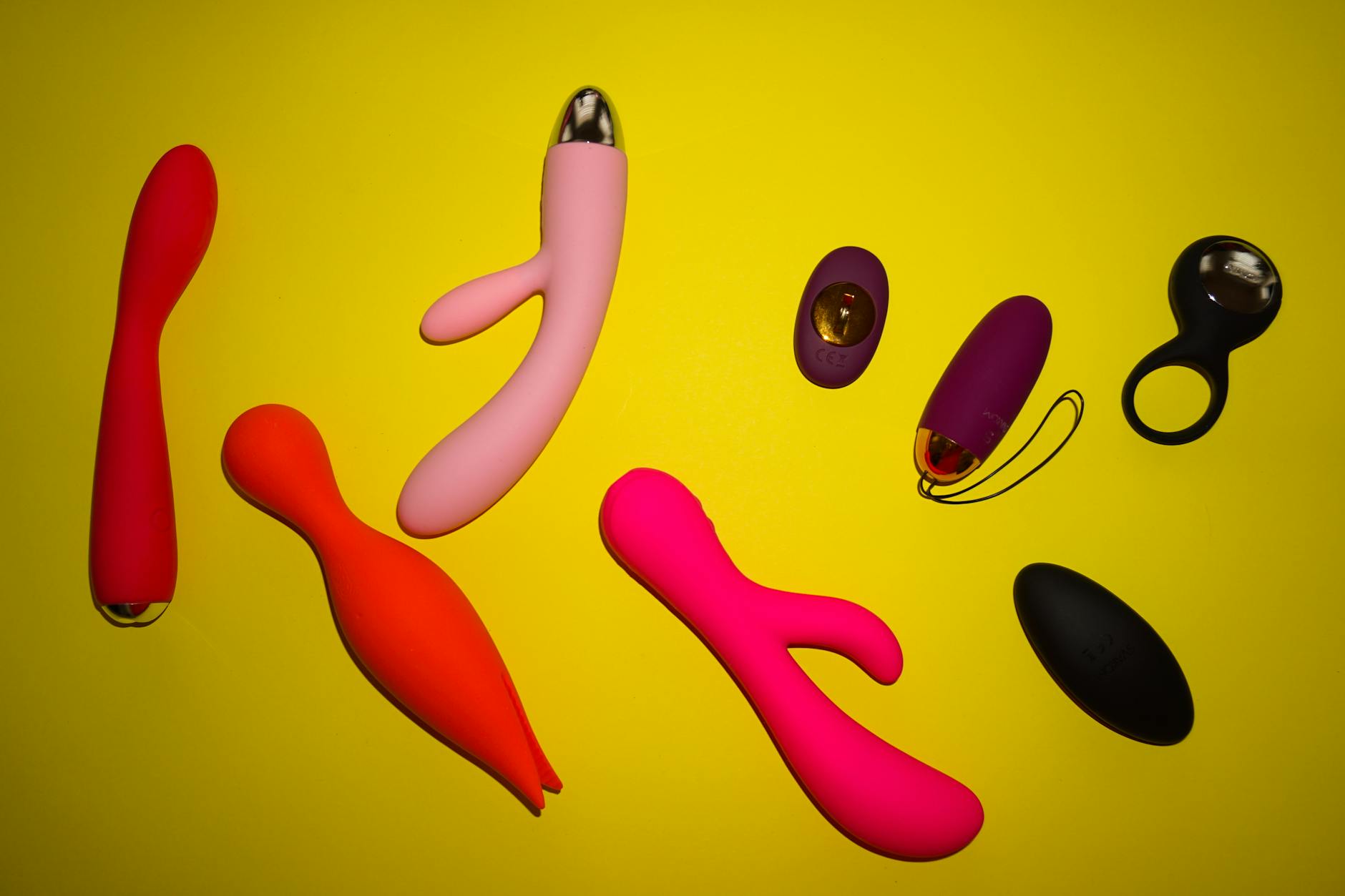
Photo by cottonbro studio on Pexels
The one thing you should actually splurge on
If you're choosing between a cheap toy and a mid-range toy, pick the mid-range one. Here's why: durability, warranty, and customer support. A lemon vibrator from The Lem Official costs more because the build is solid, the motor is reliable, and if something goes wrong, there's actually someone to contact. That's not marketing. That's practical.
A cheaper toy might work fine for a few months. It might also die unexpectedly, vibrate unevenly, or develop a weird smell. You can't return it because it came from a dropshipper with no customer service. You're out $30 or $50, frustrated, and you've decided toys don't work for you. That's a terrible outcome because the toy was bad, not because toys don't work for your body.
Spend the extra $30 or $40. Get something with a warranty. You'll use it for years instead of months.
Three practical steps for your first purchase
Step one: Identify your deal-breaker. Is it noise? Size? Specific pressure type? Pick one thing that matters most to you. Ignore everything else.
Step two: Read reviews for that one thing. Not overall reviews. Search specifically: "Is this toy quiet?" or "Does this have adjustable pressure?" or "What's the battery life?" Skip the 5-star reviews that say nothing. Read the detailed ones from people who answer your actual question.
Step three: Accept that your first toy won't be your favorite. It probably won't be. You'll learn what you like by using it. Then you'll get something else. That's normal and fine. Your first lem vibrator is your research phase, not your forever toy. Lower the stakes, which lowers the anxiety, which makes the whole thing actually enjoyable.
FAQ: Your most asked questions about picking a lemon vibrator
How do I know if a lemon clitoral vibrator will work for my body?
The honest answer is you won't know until you try one. But most people's bodies respond to clitoral vibration. The exceptions are rare. If you're anxious about whether stimulation will feel good, that's normal. Start with low pressure. Use lube. Give yourself 15 to 20 minutes. If nothing happens, that's information. Try a different pressure pattern, or try again another day. Bodies change. Sensation changes. One failed attempt doesn't mean vibrators don't work for you.
What's the difference between a lemon vibrator and other types of toys?
A lem vibrator uses air-suction technology, which creates a gentle pulsing sensation that many people find less intense and more consistent than traditional vibration. Traditional vibrators buzz at your tissue directly. That's also fine, and some people prefer it. The difference is real, but neither is objectively better. If you tend to get overstimulated easily, air-suction might be your thing. If you like direct sensation, a traditional vibrator is your path.
Is buying a lemon sexual toy online safe and private?
Yes. Reputable retailers like The Lem Official ship in discreet packaging with no branding on the outside. Your billing statement shows a generic merchant name, not "sex toy company." If you're ordering to an address you don't want others to see, use a work address or PO box. Your privacy is standard practice in this industry.
How much should I spend on my first lemon adult toy?
Anywhere from $60 to $100 is reasonable for a quality first toy. Anything under $40 is likely a gamble. Anything over $150 for a first toy is overkill unless you have specific needs. The mid-range is where quality and price align. You're not paying for luxury branding. You're paying for durability and support.
Can I use a lemon sucker or vibrator with a partner?
Completely. Some partners love incorporating toys into partnered sex. Some don't. Communication is the only variable that matters. "I'd like to try using this" opens a conversation. "I want to use this because I enjoy it" is different from "I want to use this because you're not enough." Those are two different conversations, and mixing them up causes fights. Keep them separate.
What if I'm embarrassed to buy a lemon vibrator?
Your embarrassment is understandable and also not a reason to skip this. You're a person with pleasure. That's normal. Buying a toy is not weird. Millions of people do it. The feeling of shame is usually about internalized messaging that your pleasure isn't important or isn't respectable. That's not true. Your pleasure matters. A lemon clitoral vibrator is a tool to explore it. Using it is an act of self-respect.
The real skill is listening to your own body
Every guide, every review, every recommendation online is information. None of it is your information until you try it. The skill you're actually developing by reading this is learning to trust your own experience over outside noise. You'll know what feels good faster than anyone else can tell you. Start with the basics I've outlined, use the toy without judgment, and then pay attention to what actually feels good versus what you thought would feel good.
That's the whole game. That's how you move from "I'm a first-time user" to "I know what I like."
If you have more specific questions about choosing a toy that fits your situation, reach out. I'm here to help you navigate this without the overwhelm.
Contact us if you want to talk through your specific needs.