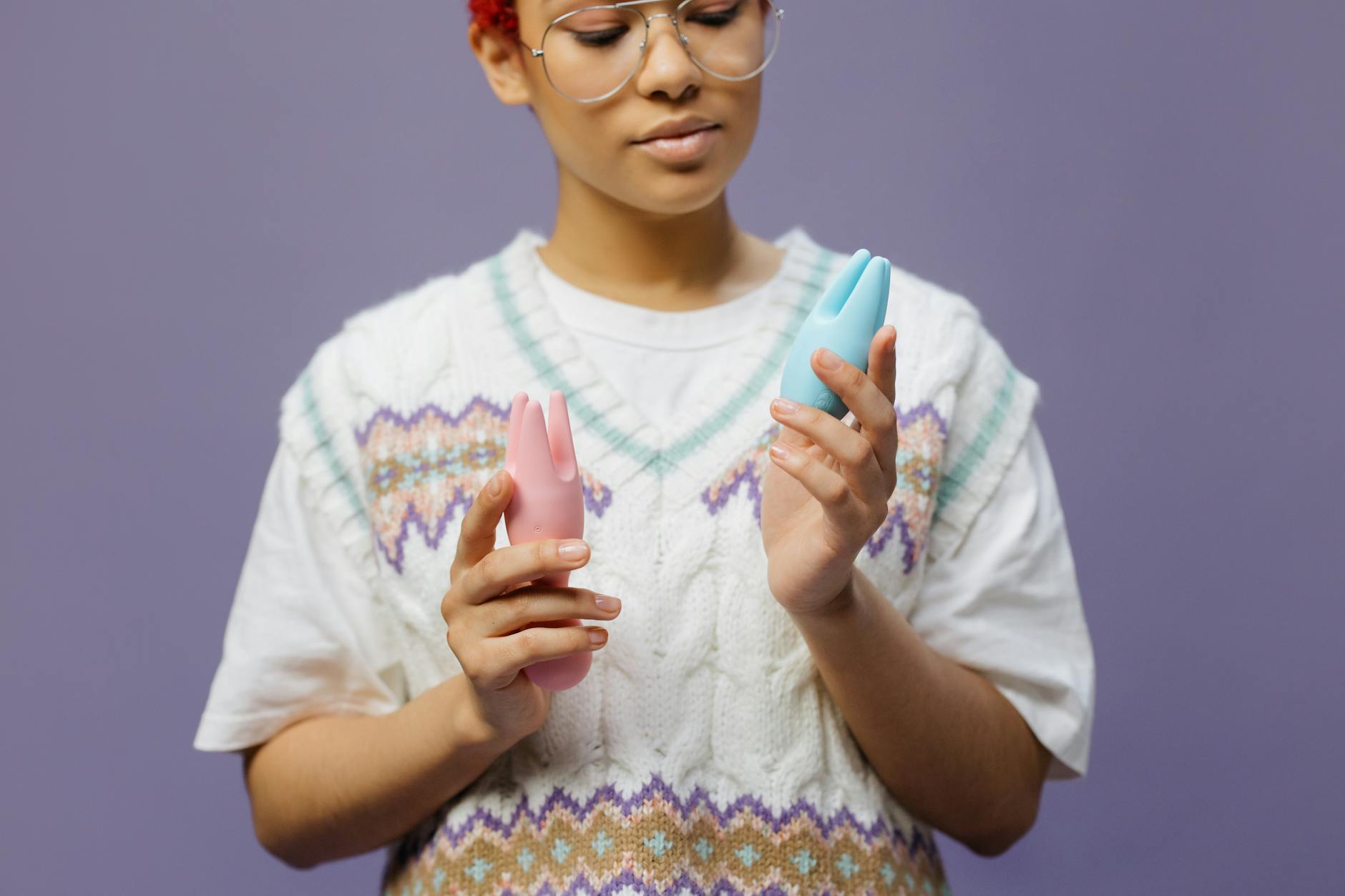
The awkward truth about lube and vibrator timing
Here's what nobody tells you: adding lubricant to the mix changes how fast a lemon clitoral vibrator actually works. Not the way you'd expect. Most people assume lube speeds things up because it feels smoother, but the reality is more nuanced. Lubrication actually changes how vibration transmits to nerve endings, which can make sensation build faster, slower, or completely differently depending on the lube you're using and how you apply it.
If you've been wondering why your Lem vibrator feels like it takes longer to produce sensation some days than others, lubrication is probably the culprit. Understanding this matters because it means the "right" timing for pleasure isn't fixed. It's adjustable.
How lube actually changes vibration transmission
Water-based lubricant creates a thin layer between your clitoris and the vibrator head. This layer does two opposing things at once. It reduces direct friction, which sounds like it would slow sensation down. But it also allows the vibration itself to travel more evenly across the tissue instead of getting caught on micro-friction points. Think of it like sound traveling through air versus through water. The medium changes how the signal propagates.
Silicone-based lubes behave differently. They're denser and more persistent, so they create a thicker barrier. This can actually dampen vibration slightly in the first 30-60 seconds, then create more sustained sensation once the lube warms and spreads. Oil-based lubes are even heavier, and they're not ideal with most vibrators anyway because they degrade silicone over time.
The viscosity of your lube matters more than the brand. A runny water-based gel will conduct vibration faster than a thick, gel-like one. Thicker lubes give you more glide but may slightly delay the initial sensation jolt.
The actual timeline: how long lube changes things
Without lubrication, a lemon clitoral vibrator typically produces noticeable sensation within 10-20 seconds of contact at medium-to-high settings. Your clitoris has thousands of nerve endings concentrated in a tiny area, and the vibration reaches them almost immediately.
Add water-based lubricant, and that window often shifts to 8-15 seconds. The sensation builds faster because the vibration travels more efficiently through the lube layer. You might notice your clitoris responding sooner, which feels like the vibrator is more powerful. It's not. It's working exactly the same way. The lube is just a better conductor.
Silicone-based lubes introduce a slight delay in those first moments, sometimes pushing sensation to 12-25 seconds. But here's the thing: many people find that once silicone lube kicks in, the sensation feels richer and more sustained. It's not better or worse. It's a different timing and a different quality of feeling.
Why lubrication matters for clitoral pleasure
The practical reason to use lube with a lemon clitoral vibrator isn't about speed. It's about comfort and sustainability. Dry friction, even from a vibrator designed to feel good, can create micro-abrasions on delicate tissue. Lubrication protects that tissue and allows you to keep going longer without discomfort.
For people with sensitive clitorises, lube also softens the intensity of vibration without actually turning the vibrator down. The lube acts as a shock absorber. You get the same vibration frequency, but it feels less direct. That's useful information if you've ever had to use your lemon clitoral vibrator on lower settings than you'd prefer because higher settings felt too intense.
For people with less sensitive tissue, lube can actually enhance sensation because it allows longer, sustained sessions. Without lube, you might hit a point where micro-friction makes continued stimulation uncomfortable. With lube, you can keep going until you reach climax instead of stopping short.
The warm-up factor lube adds
Your body temperature affects how lube works. Room-temperature water-based lube feels cool when you first apply it, which can momentarily dull sensation. Give it 5-10 seconds to warm against your skin, and that feeling reverses. Silicone lubes warm slower, which is part of why they sometimes feel like they delay sensation initially.
If you want faster sensation response, apply lube to your clitoris a few seconds before bringing your vibrator into contact. Let your body heat warm it slightly. Then introduce the Lem. You'll notice the difference immediately. The vibration meets already-warm lube instead of starting cold.
This is also why the lube application method matters. Applying lube directly to the vibrator head versus applying it to your body changes the timing too. If you lube the vibrator first, the first thing that happens when it makes contact is it deposits that cool lube onto your skin. If you lube your body first, the vibrator meets already-warming lubricant. The second method typically produces faster sensation response.
Pressure settings interact with lube timing too
This is where it gets interesting. The pressure setting you're using changes how long sensation takes to build when lube is involved.
At lower settings (patterns 1-3 on a lemon clitoral vibrator), lubrication actually matters more for comfort than for speed. The vibration is already gentle, so lube makes it feel smoother without significantly changing how fast you feel it.
At medium settings (patterns 4-6), lube has the most noticeable effect on timing. You'll likely feel sensation build faster with water-based lube than without it. The sweet spot is usually between 8-12 seconds once the lube warms.
At higher settings (patterns 7+), the vibration is already so direct that lube becomes more about sustainable comfort than about sensation speed. You're past the "how long until I feel it" question. You're thinking about "how long can I keep this going without discomfort." Lube is essential here.
The pressure and the lube work together. Understanding both lets you dial in exactly what you need.
When lube delays sensation (and why that's sometimes good)
Some people notice that adding lube makes their lemon clitoral vibrator feel slower to respond. Usually this means they're using a silicone-based lube or a very thick water-based gel. This isn't a problem. It's often a solution.
If you have a highly sensitive clitoris or you're dealing with heightened nerve sensitivity from hormonal changes or medication, a slightly thicker lube that softens the initial sensation burst can be exactly what you need. It lets you use your vibrator without the first few seconds feeling overwhelming. You get to build sensation gradually instead of starting with a jolt.
This also helps if you're "sensation-fatigued" from a previous session or from intense masturbation earlier in the day. Slightly delayed sensation from thicker lube lets your nervous system ease back into pleasure instead of shock-loading it.
The practical timing checklist
Here's what actually matters when you're using lube with your hello nancy lemon clitoral vibrator:
Apply lube to your body first. Let it warm for 5-10 seconds before contact. This typically shaves 3-5 seconds off initial sensation timing.
Use water-based lube for faster initial response. If speed is your goal, this is your best bet. Sensation usually comes within 8-15 seconds.
Use silicone-based lube if you want sustained comfort. Initial response might take 12-20 seconds, but you can keep going longer without tissue fatigue.
Match pressure settings to your lube choice. Higher settings work well with any lube. Lower settings benefit from being slightly less viscous.
Reapply mid-session if you need to. Lube evaporates and loses efficacy. If you're going for an extended session, reapply every 3-5 minutes to maintain timing consistency.
Test your own timeline. Every body is different. Your actual sensation timing might be faster or slower than these ranges. The point is understanding that lube changes the variable, and you can experiment to find your optimal combination.
Understanding how lubrication affects your lemon clitoral vibrator takes the guesswork out of pleasure. You're not waiting for something to happen. You're creating the conditions that let it happen the way you want it to.
FAQ: Lube, vibrators, and sensation timing
How much lubricant should I use with a lemon clitoral vibrator?
Start with about a dime-sized amount on your clitoris. That's enough to coat the area and allow vibration to transmit efficiently without being so much that sensation diffuses. You can always add more. Most people find they need to reapply every few minutes during extended use because lube naturally evaporates or migrates. Think of it like moisturizer, not like sealing something underwater. A thin, consistent layer beats a thick glob.
Can I use too much lube?
Yes. If you apply so much lube that it creates a thick barrier between your clitoris and the vibrator, sensation can become muffled instead of enhanced. You'll feel the vibration, but it won't be as direct. If you accidentally over-applied, gently wipe away the excess with a tissue and reapply a thinner layer. The difference is immediate and noticeable.
Does warming lube before use make a difference?
It can. Warm lube conducts vibration more efficiently than cold lube because your tissues respond to warm sensations more readily than cold ones. If you want to experiment, apply room-temperature lube and note how long sensation takes. Then try the same lube warmed slightly (hold the bottle under warm water or rub it between your palms for a few seconds). You might notice sensation builds slightly faster with warmth. It's a small variable, but it's worth testing.
What if lube makes sensation feel too dull?
You're probably using a lube that's too viscous for your sensitivity level. Try switching to a thinner water-based gel. You might also be over-applying. A thinner layer usually produces clearer sensation than a thick one. If you've tried both and lube still dulls things, you might just be someone who prefers the direct contact of no lube. That's fine. Listen to your body.
How does my cycle affect lube and vibrator timing?
Fluctuating hormone levels change how your clitoris responds to vibration throughout your cycle. During the follicular phase (roughly the first two weeks), your clitoris tends to be more sensitive and responsive, so sensation might build faster even with lube. During the luteal phase, you might need slightly longer warm-up time. Lube becomes more important then because it helps you maintain comfort during longer sessions. Understanding this pattern helps you know if a change in sensation is about the lube, your body, or both. Many people find they need different lube viscosity at different points in their cycle.
Can I use the same lube with a partner?
Absolutely. The timing principles work exactly the same whether you're using a lemon clitoral vibrator solo or with a partner who's holding it. The only real difference is coordination. Your partner doesn't necessarily know how long sensation takes to build from your perspective. It's worth talking about. If you usually need 10-15 seconds of stimulation before you really feel it, tell them. That eliminates guessing and makes the experience better for both of you.
What to remember
Lubrication changes how quickly your lemon clitoral vibrator produces sensation, but the change is smaller and more nuanced than most people realize. Water-based lubes typically speed up initial response slightly. Silicone lubes might add a small delay but create more sustained sensation. The difference is usually seconds, not minutes. What matters more is consistency, comfort, and knowing your own body well enough to understand what feels right to you.
The best lube for your lemon clitoral vibrator is the one that lets you keep going comfortably for as long as you want without friction or discomfort. Everything else is fine-tuning. If you have specific questions about what works best for your body, your sexual health provider is a great resource. And if you want to learn more about <a href="/blog/best-lemon-vibrator-settings-for-different-types-of-clitoral-stimulation">how different pressure settings change sensation</a>, we've got that covered too.